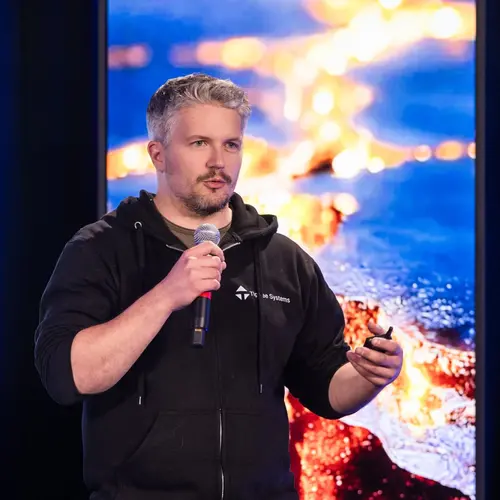

Portrait de Danilo Bzdok

Danilo Bzdok

Membre académique principal
Chaire en IA Canada-CIFAR
Professeur agrégé, McGill University, Département de génie biomédicale
Sujets de recherche
Apprentissage profond
Biologie computationnelle
Grands modèles de langage (LLM)
Traitement du langage naturel

Biographie

Danilo Bzdok est informaticien et médecin de formation. Il possède une double formation unique en neurosciences systémiques et en algorithmes d'apprentissage automatique. Après une formation à l'Université d'Aix-la-Chapelle (RWTH) (Allemagne), à l'Université de Lausanne (Suisse) et à la Harvard Medical School (États-Unis), il a obtenu un doctorat en neurosciences du Centre de recherche de Jülich (Allemagne) et un doctorat en informatique dans le domaine des statistiques d'apprentissage automatique à l'INRIA Saclay et à NeuroSpin (Paris, France). Il est actuellement professeur agrégé à la Faculté de médecine de l'Université McGill et titulaire d’une chaire en IA Canada-CIFAR à Mila – Institut québécois d'intelligence artificielle. Son activité de recherche interdisciplinaire est centrée sur la réduction des lacunes dans la connaissance des bases cérébrales des types de pensée qui définissent l'être humain, afin de découvrir les principes clés de conception computationnelle qui sous-tendent l'intelligence humaine.
Étudiants actuels

Doctorat - McGill
Doctorat - McGill
Maîtrise recherche - HEC
Co-superviseur⋅e :
Doctorat - McGill
Collaborateur·rice de recherche - CentraleSupélec
Doctorat - McGill
Collaborateur·rice de recherche - École Polytechnique
Doctorat - McGill
Postdoctorat - McGill
Maîtrise recherche - McGill
Visiteur de recherche indépendant - McGill
Doctorat - McGill
Doctorat - McGill
Doctorat - McGill
Doctorat - McGill

Publications

Deep learning reveals that multidimensional social status drives population variation in 11,875 US participant cohort
As an increasing realization, many behavioral relationships are interwoven with inherent variations in human populations. Presently, there i… (voir plus)s no clarity in the biomedical community on which sources of population variation are most dominant. The recent advent of population-scale cohorts like the Adolescent Brain Cognitive DevelopmentSM Study (ABCD Study®) are now offering unprecedented depth and width of phenotype profiling that potentially explains interfamily differences. Here, we leveraged a deep learning framework (conditional variational autoencoder) on the totality of the ABCD Study® phenome (8,902 candidate phenotypes in 11,875 participants) to identify and characterize major sources of population stratification. 80% of the top 5 sources of explanatory stratifications were driven by distinct combinations of 202 available socioeconomic status (SES) measures; each in conjunction with a unique set of non-overlapping social and environmental factors. Several sources of variation across this cohort flagged geographies marked by material poverty interlocked with mental health and behavioral correlates. Deprivation emerged in another top stratification in relation to urbanicity and its ties to immigrant and racial and ethnic minoritized groups. Conversely, two other major sources of population variation were both driven by indicators of privilege: one highlighted measures of access to educational opportunity and income tied to healthy home environments and good behavior, the other profiled individuals of European ancestry leading advantaged lifestyles in desirable neighborhoods in terms of location and air quality. Overall, the disclosed social stratifications underscore the importance of treating SES as a multidimensional construct and recognizing its ties into social determinants of health.
Latent brain subtypes of chronotype reveal unique behavioral and health profiles: an across-cohort validation
Julie Carrier
Kai-Florian Storch
Robin Dunbar
Chronotype is shaped by the complex interplay of endogenous and exogenous factors. This trait ties into various behaviors in the wider socie… (voir plus)ty and is linked to the prevalence of psychiatric and metabolic conditions. Despite its multifaceted nature, prior research has treated chronotype as a monolithic trait across the population, risking overlooking substantial heterogeneity in neural and behavioral fingerprints of both early risers and night owls. To test for such hidden subgroups, we developed a supervised pattern-learning framework for trait subtyping, integrating three complementary brain-imaging modalities with deep behavior, diagnosis, and drug prescription profiling from 27,030 UK Biobank participants. We identified and characterized five distinct biologically valid chronotype subtypes: (1) typical eveningness, (2) depression-associated eveningness, (3) typical morningness, (4) morningness with greater expression in females, and (5) eveningness with greater expression in males. Each uncovered subtype showed unique patterns across brain, behavioral and health profiles. We finally externally validated these subtypes in 10,550 US children from the ABCD Study® cohort, which revealed reversed age distributions and replicated sex-associated brain-behavioral patterns, underscoring the fact that potential divergences between chronotype traits observed throughout adulthood may begin to emerge early in life. These findings highlight underappreciated sources of population variation that echo the rhythm of people’s inner clock.
A pattern-learning algorithm associates copy number variations with brain structure and behavioural variables in an adolescent population cohort
Kuldeep Kumar
Zohra Saci
Martineau Jean-Louis
Xiaoqian J. Chai
Tian Ge
B. T. Thomas Yeo
Paul M. Thompson
Carrie E. Bearden
Ole A. Andreassen
Sébastien Jacquemont
Our genetic makeup, together with environmental and social influences, shape our brain's development. Yet, the imaging-genetics field has st… (voir plus)ruggled to integrate all these modalities to investigate the interplay between genetic blueprint, brain architecture, environment, human health and daily living skills. Here we interrogate the Adolescent Brain Cognitive Development (ABCD) cohort to outline the effects of rare high-effect genetic variants on brain architecture and their corresponding implications on cognitive, behavioural, psychosocial and socioeconomic traits. We design a holistic pattern-learning framework that quantitatively dissects the impacts of copy number variations (CNVs) on brain structure and 938 behavioural variables spanning 20 categories in 7,338 adolescents. Our results reveal associations between genetic alterations, higher-order brain networks and specific parameters of the family wellbeing, including increased parental and child stress, anxiety and depression, or neighbourhood dynamics such as decreased safety. We thus find effects extending beyond the impairment of cognitive ability or language capacity which have been previously reported. Our investigation spotlights the interplay between genetic variation and subjective life quality in adolescents and their families.
A pattern-learning algorithm associates copy number variations with brain structure and behavioural variables in an adolescent population cohort
Kuldeep Kumar
Zohra Saci
Martineau Jean-Louis
Xiaoqian J. Chai
Tian Ge
B. T. Thomas Yeo
Paul M. Thompson
Carrie E. Bearden
Ole A. Andreassen
Sébastien Jacquemont
Our genetic makeup, together with environmental and social influences, shape our brain's development. Yet, the imaging-genetics field has st… (voir plus)ruggled to integrate all these modalities to investigate the interplay between genetic blueprint, brain architecture, environment, human health and daily living skills. Here we interrogate the Adolescent Brain Cognitive Development (ABCD) cohort to outline the effects of rare high-effect genetic variants on brain architecture and their corresponding implications on cognitive, behavioural, psychosocial and socioeconomic traits. We design a holistic pattern-learning framework that quantitatively dissects the impacts of copy number variations (CNVs) on brain structure and 938 behavioural variables spanning 20 categories in 7,338 adolescents. Our results reveal associations between genetic alterations, higher-order brain networks and specific parameters of the family wellbeing, including increased parental and child stress, anxiety and depression, or neighbourhood dynamics such as decreased safety. We thus find effects extending beyond the impairment of cognitive ability or language capacity which have been previously reported. Our investigation spotlights the interplay between genetic variation and subjective life quality in adolescents and their families.
Brain Age Prediction: Deep Models Need a Hand to Generalize
Reza Rajabli
Mahdie Soltaninejad
Vladimir S. Fonov
D. Louis Collins
Predicting brain age from T1‐weighted MRI is a promising marker for understanding brain aging and its associated conditions. While deep le… (voir plus)arning models have shown success in reducing the mean absolute error (MAE) of predicted brain age, concerns about robust and accurate generalization in new data limit their clinical applicability. The large number of trainable parameters, combined with limited medical imaging training data, contributes to this challenge, often resulting in a generalization gap where there is a significant discrepancy between model performance on training data versus unseen data. In this study, we assess a deep model, SFCN‐reg, based on the VGG‐16 architecture, and address the generalization gap through comprehensive preprocessing, extensive data augmentation, and model regularization. Using training data from the UK Biobank, we demonstrate substantial improvements in model performance. Specifically, our approach reduces the generalization MAE by 47% (from 5.25 to 2.79 years) in the Alzheimer's Disease Neuroimaging Initiative dataset and by 12% (from 4.35 to 3.75 years) in the Australian Imaging, Biomarker and Lifestyle dataset. Furthermore, we achieve up to 13% reduction in scan‐rescan error (from 0.80 to 0.70 years) while enhancing the model's robustness to registration errors. Feature importance maps highlight anatomical regions used to predict age. These results highlight the critical role of high‐quality preprocessing and robust training techniques in improving accuracy and narrowing the generalization gap, both necessary steps toward the clinical use of brain age prediction models. Our study makes valuable contributions to neuroimaging research by offering a potential pathway to improve the clinical applicability of deep learning models.
Longer scans boost prediction and cut costs in brain-wide association studies
Leon Qi Rong Ooi
Csaba Orban
Shaoshi Zhang
Thomas E. Nichols
Trevor Wei Kiat Tan
Ru Kong
Scott Marek
Nico U. F. Dosenbach
Timothy O. Laumann
Evan M. Gordon
Kwong Hsia Yap
Fang Ji
Joanna Su Xian Chong
Christopher Chen
Lijun An
Nicolai Franzmeier
Sebastian N. Roemer-Cassiano
Qingyu Hu
Jianxun Ren
Hesheng Liu … (voir 9 de plus)
Sidhant Chopra
Carrisa V. Cocuzza
Justin T. Baker
Juan Helen Zhou
Simon B. Eickhoff
Avram J. Holmes
B. T. Thomas Yeo
Clifford R. Jack Jr
A pervasive dilemma in brain-wide association studies (BWAS) is whether to prioritize functional MRI (fMRI) scan time or sample size. We der… (voir plus)ive a theoretical model showing that individual-level phenotypic prediction accuracy increases with sample size and total scan duration (sample size × scan time per participant). The model explains empirical prediction accuracies extremely well across 76 phenotypes from nine resting-fMRI and task-fMRI datasets (R2 = 0.89), spanning a wide range of scanners, acquisitions, racial groups, disorders and ages. For scans ≤20 mins, prediction accuracy increases linearly with the logarithm of total scan duration, suggesting interchangeability of sample size and scan time. However, sample size is ultimately more important than scan time in determining prediction accuracy. Nevertheless, when accounting for overhead costs associated with each participant (e.g., recruitment costs), to boost prediction accuracy, longer scans can yield substantial cost savings over larger sample size. To achieve high prediction performance, 10-min scans are highly cost inefficient. In most scenarios, the optimal scan time is ≥20 mins. On average, 30-min scans are the most cost-effective, yielding 22% cost savings over 10-min scans. Overshooting is cheaper than undershooting the optimal scan time, so we recommend aiming for ≥30 mins. Compared with resting-state whole-brain BWAS, the most cost-effective scan time is shorter for task-fMRI and longer for subcortical-cortical BWAS. Standard power calculations maximize sample size at the expense of scan time. Our study demonstrates that optimizing both sample size and scan time can boost prediction power while cutting costs. Our empirically informed reference is available for future study planning: WEB_APPLICATION_LINK
Longitudinal changes in brain asymmetry track lifestyle and disease
B. T. Thomas Yeo
Lynn Paul
Jörn Diedrichsen
Human beings may have evolved the largest asymmetries of brain organization in the animal kingdom. Hemispheric left-vs-right specialization … (voir plus)is especially pronounced in species-unique capacities, including emotional processing such as facial judgments, language-based feats such as reading books, and creativity such as musical performances. We hence chart the largest longitudinal brain-imaging resource, and provide evidence that brain asymmetry changes continuously in a manner suggestive of neural plasticity throughout adulthood. In the UK Biobank population cohort, we demonstrate that whole-brain patterns of asymmetry changes show robust phenome-wide associations across 959 distinct variables spanning 11 categories. We also find that changes in brain asymmetry over years co-occur with changes among specific lifestyle markers. We uncover specific brain asymmetry changes which systematically co-occur with entering a new phase of life, namely retirement. Finally, we reveal relevance of evolving brain asymmetry within subjects to major disease categories across ~4500 total medical diagnoses. Our findings speak against the idea that asymmetrical neural systems are conserved throughout adulthood.
Recovering undersampled single-cell transcriptomes with HyperCell
Abstract

Single-cell transcriptomic technology has now matured, allowing quantification of mRNA transcripts corres… (voir plus)ponding to tens of thousands of genes within a cell. However, still only a small fraction of these mRNA is captured and measured by today’s single-cell assays. There are likely hundreds of thousands of mRNA copies present within a typical human cell, yet these assays omit a majority of the transcripts that are actually present. This introduces technical noise, especially non-biological variability and excessive sparsity, which frustrates downstream analysis and potentially skews biological conclusions. To overcome these challenges, we here develop HyperCell, a probabilistic deep learning approach that explicitly models this undersampling to produce estimates of each cell’s original gene transcript abundances across the whole transcriptome. We demonstrate that our framework offers benefits in various mRNA modeling settings, by i) correctly differentiating between spurious sampling-induced and real biological zeros, outperforming existing approaches, ii) estimating the total mRNA content of cells across states to reduce contamination due to background transcripts, iii) reducing contamination due to background transcripts, and iv) helping to counteract biases that may appear during typical differential gene expression analyses using widespread normalization approaches. Our approach to correcting for the technical noise introduced by the single-cell experimental process brings us closer to studying biology, starting from the true transcriptome of cells.

Multimodal population study reveals the neurobiological underpinnings of chronotype
Julie Carrier
Kai-Florian Storch
Robin I. M. Dunbar
Brain Diffusion Transformer for Personalized Neuroscience and Psychiatry
Rongquan Zhai
Yechen Hu
Liping Zheng
Shitong Xiang
Chao Xie
Lei Peng
Tobias Banaschewski
Gareth J. Barker
Arun L.W. Bokde
Rüdiger Brühl
Sylvane Desrivières
Herta Flor
Hugh Garavan
Penny Gowland
Antoine Grigis
Andreas Heinz
Herve Lemaitre
Jean-Luc Martinot
Marie-Laure Paillère Martinot
Eric Artiges … (voir 26 de plus)
Frauke Nees
Dimitri Papadopoulos Orfanos
Luise Poustka
Michael N. Smolka
Sarah Hohmann
Nathalie Holz
Nilakshi Vaidya
Robert Whelan
Zuo Zhang
Lauren Robinson
Jeanne Winterer
Sinead King
Yuning Zhang
Hedi Kebir
Ulrike Schmidt
Julia Sinclair
Argyris Stringaris
Gunter Schumann
Henrik Walter
Edmund T. Rolls
Barbara Sahakian
Trevor W. Robbins
Jianfeng Feng
Weikang Gong
Tianye Jia
Task-fMRI analyses typically focus on localized activation contrasts between stimuli, neglecting the brain’s dynamic hierarchy. We introdu… (voir plus)ce Brain Diffusion Transformer (Brain-DiT), a deep generative model capturing recurrent processing underlying individualized neurocognitive state transitions via functional networks. Without prior assumptions, Brain-DiT identifies canonical cognitive regions in the brain and reveals replicable subgroups with distinct neural circuits in large cohorts, offering critical clinical insights overlooked by traditional methods: individuals exhibiting negative emotion bias, linked to language-related regions, had a 12-fold higher likelihood of major depression, and those with maladaptive inhibition strategies, associated with overactive medial frontal regions, showed a 9-fold increased risk of alcohol abuse. By bridging cognitive theory and psychiatric applications, Brain-DiT provides a unified analytical paradigm, paving the way for operational personalized medicine in psychiatry.
Steering CLIP's vision transformer with sparse autoencoders
Ethan Goldfarb
Lorenz Hufe
Yossi Gandelsman
Robert Graham
Wojciech Samek
Blake Aaron Richards
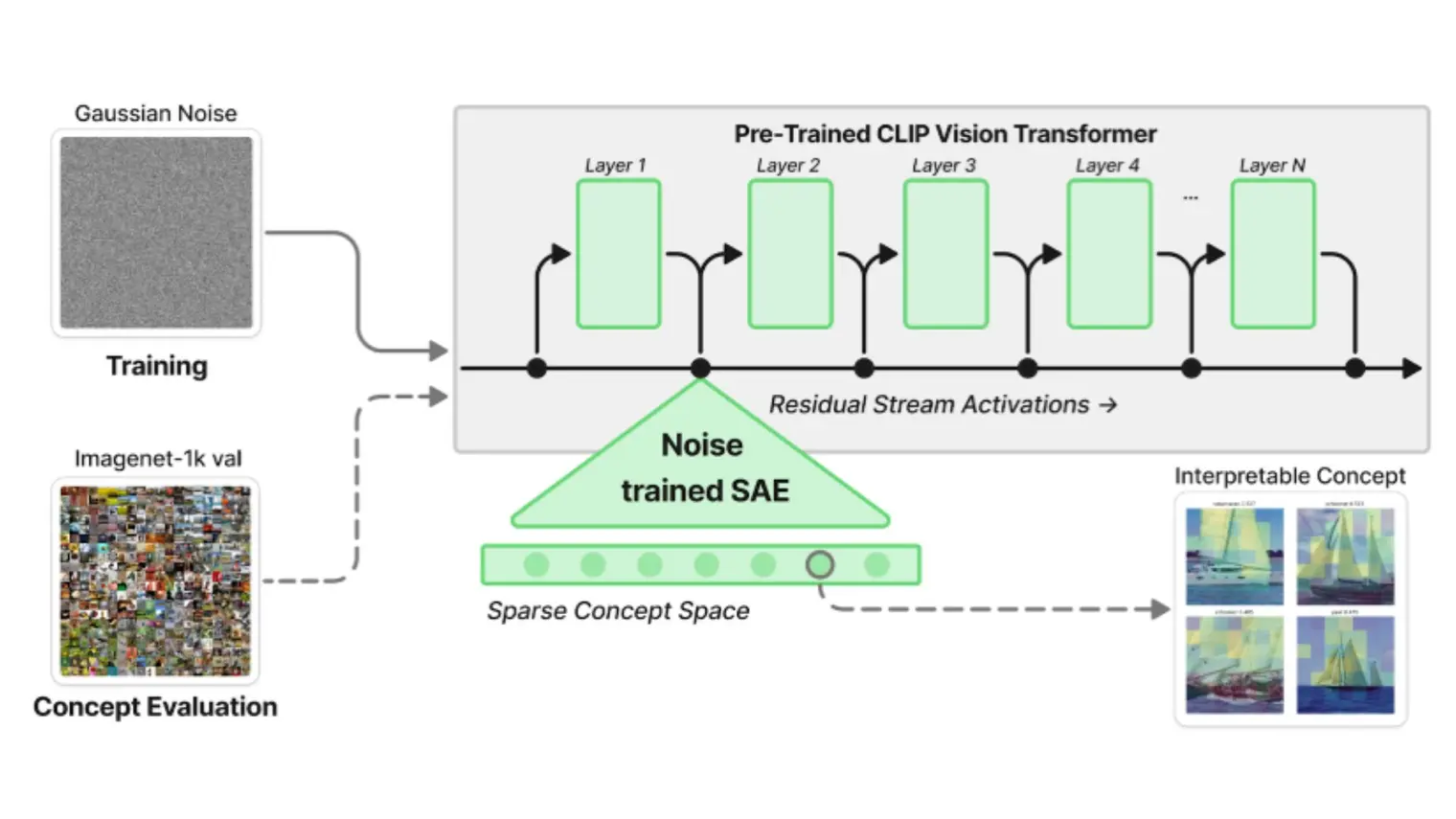
While vision models are highly capable, their internal mechanisms remain poorly understood-- a challenge which sparse autoencoders (SAEs) ha… (voir plus)ve helped address in language, but which remains underexplored in vision. We address this gap by training SAEs on CLIP's vision transformer and uncover key differences between vision and language processing, including distinct sparsity patterns for SAEs trained across layers and token types. We then provide the first systematic analysis of the steerability of CLIP's vision transformer by introducing metrics to quantify how precisely SAE features can be steered to affect the model's output. We find that 10-15% of neurons and features are steerable, with SAEs providing thousands more steerable features than the base model. Through targeted suppression of SAE features, we then demonstrate improved performance on three vision disentanglement tasks (CelebA, Waterbirds, and typographic attacks), finding optimal disentanglement in middle model layers, and achieving state-of-the-art performance on defense against typographic attacks. We release our CLIP SAE models and code to support future research in vision transformer interpretability.
General anaesthesia decreases the uniqueness of brain functional connectivity across individuals and species
Andrea I. Luppi
Daniel Golkowski
Andreas Ranft
Rudiger Ilg
Denis Jordan
Adrian M. Owen
Lorina Naci
Emmanuel A. Stamatakis
Enrico Amico
Bratislav Misic
The human brain is characterized by idiosyncratic patterns of spontaneous thought, rendering each brain uniquely identifiable from its neura… (voir plus)l activity. However, deep general anaesthesia suppresses subjective experience. Does it also suppress what makes each brain unique? Here we used functional MRI scans acquired under the effects of the general anaesthetics sevoflurane and propofol to determine whether anaesthetic-induced unconsciousness diminishes the uniqueness of the human brain, both with respect to the brains of other individuals and the brains of another species. Using functional connectivity, we report that under anaesthesia individual brains become less self-similar and less distinguishable from each other. Loss of distinctiveness is highly organized: it co-localizes with the archetypal sensory–association axis, correlating with genetic and morphometric markers of phylogenetic differences between humans and other primates. This effect is more evident at greater anaesthetic depths, reproducible across sevoflurane and propofol and reversed upon recovery. Providing convergent evidence, we show that anaesthesia shifts the functional connectivity of the human brain closer to the functional connectivity of the macaque brain in a low-dimensional space. Finally, anaesthesia diminishes the match between spontaneous brain activity and cognitive brain patterns aggregated from the Neurosynth meta-analytic engine. Collectively, the present results reveal that anaesthetized human brains are not only less distinguishable from each other, but also less distinguishable from the brains of other primates, with specifically human-expanded regions being the most affected by anaesthesia.