
Prateek Humane
Doctorat
Superviseur⋅e principal⋅e
Sujets de recherche
Apprentissage multimodal

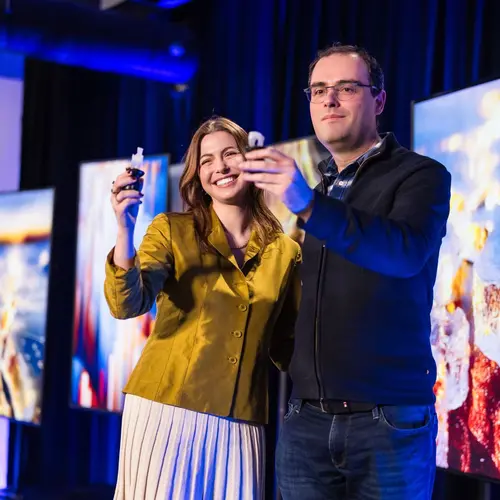
Les inscriptions sont ouvertes pour notre programme de 4 mois à temps plein, à Mila, conçu spécifiquement pour les fondateurs et fondatrices de la deep tech issus de parcours d'élite en STIM. Vous avez jusqu'au 21 novembre 2026 pour appliquer!

Offert par Mila et le Forum des politiques publiques, ce programme est conçu pour outiller les décideur·euse·s et les responsables des politiques publiques à naviguer efficacement à travers les opportunités et les risques liés à l'IA. La prochaine cohorte se tiendra en anglais les 5 et 6 novembre 2026 à Ottawa.
Le processus de demandes de supervision à Mila est maintenant ouvert! Vous pouvez appliquer dès maintenant à la maitrise de recherche ou Doctorat et joindre notre grande communauté de chercheur·euse·s à Mila pour l’automne 2027. Date limite : 1er décembre 2026