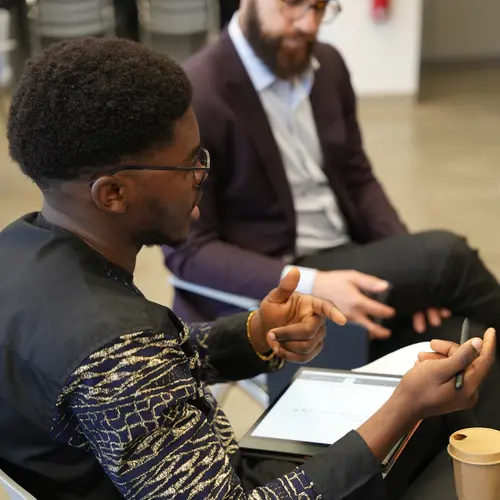



What does it look like when hundreds of Canadians come together to solve one of the most pressing challenges at the intersection of artificial intelligence and mental health? From March 16 to 23, Mila, together with co-organizers Bell, BUZZ HPC, and Kids Help Phone, challenged the Canadian tech community to build safer AI for youth mental health. In total, over 300 participants from across Canada joined the effort.
| 333 Participants from across Canada | 80 Teams competing | $10K In prizes awarded |
Over seven intense days, participants pushed the boundaries of AI safety in conversational systems, exploring stress testing, logic hardening, and synthetic data augmentation. Teams were evaluated across three criteria — technical performance, a written report, and a live presentation — with winners distinguished by their consistent excellence in all three areas and the sophistication of their overall approach. Three teams ultimately rose to the top, each earning a share of $10,000 in prizes. All participants also received the opportunity to be considered for an exclusive internship with the Mila AI Safety Studio.
What made this challenge stand out was not only its technical depth, but its real-world stakes. Unlike a hypothetical exercise, teams were building tools to directly inform a chatbot solution for Kids Help Phone, currently in development, that will one day support young Canadians in moments of genuine need. One team, for instance, proposed an innovative way of using an LLM to simulate chatbot users, generating lifelike sample conversations as a novel approach to synthetic data creation. Others focused on detecting problematic interactions with neurodivergent individuals or those living with mental health conditions, who may engage with the chatbot in distinct ways as a result.
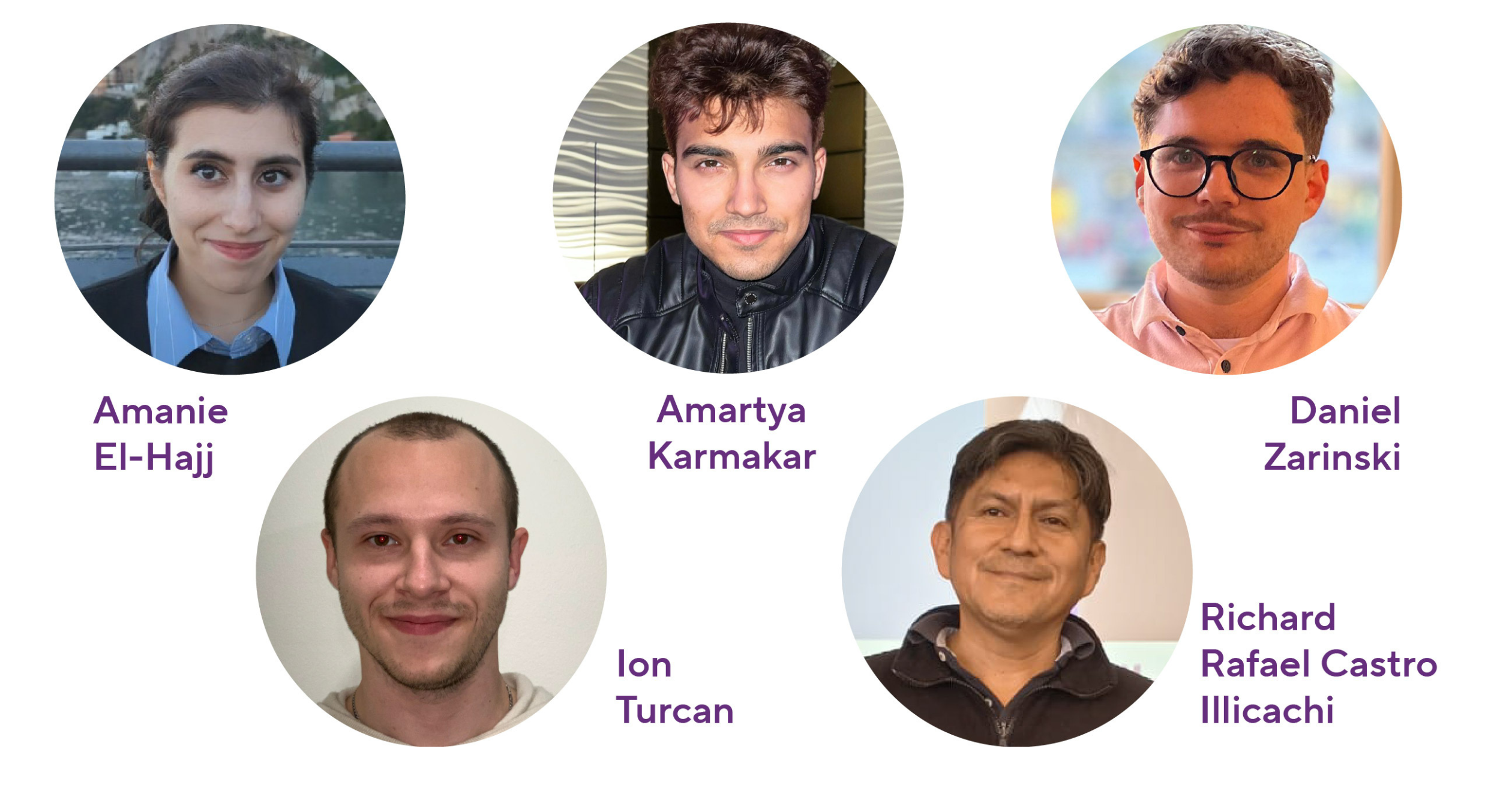
Our conversations with the three winning teams revealed several common takeaways. Participants appreciated that the challenge was anchored in a real objective with meaningful consequences. Many found it surprisingly eye-opening, exposing them to situations and risks they hadn't previously considered. ‘‘The hackathon showed me that this work is urgent, technically challenging, and deeply human,’’ said Ion Turcan from the Ensemble Team. They valued the quality of the technology made available to them and the multidisciplinary nature of the problem, which drew people from a wide range of backgrounds, disciplines, ages, and levels of experience.
Perhaps most striking, many of the winning team members had never met before. Drawn together by a shared purpose, they collaborated quickly and effectively, proving that great work can emerge when the right problem creates the right conditions. ‘‘AI is a great tool, but only when used thoughtfully. We must succeed in guiding these innovations and addressing their ethical implications, so we are not outpaced by them,’’ added Wassila Bahloul from the Lowkey Critical Team.
The hackathon is just the beginning. Beyond this week-long sprint, Mila will continue working with Kids Help Phone to develop their chatbot solution, guided by the insights and innovations generated by all 80 competing teams. The work done here has the potential to shape how conversational AI is designed and evaluated in high-stakes, youth-facing contexts.
Congratulations to all three winning teams, and to every participant who brought their expertise, curiosity, and care to this important challenge.
Meet the winning teams
First place: Lowkey critical
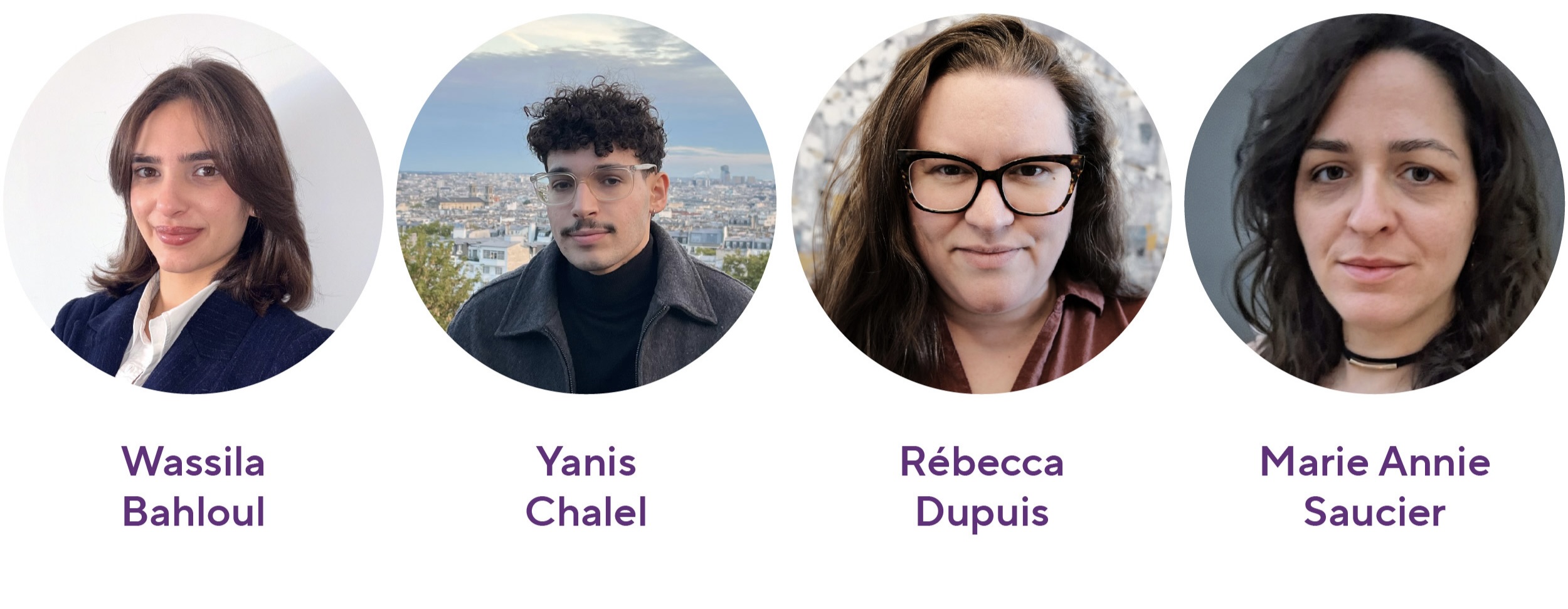
Second place: Kaizen
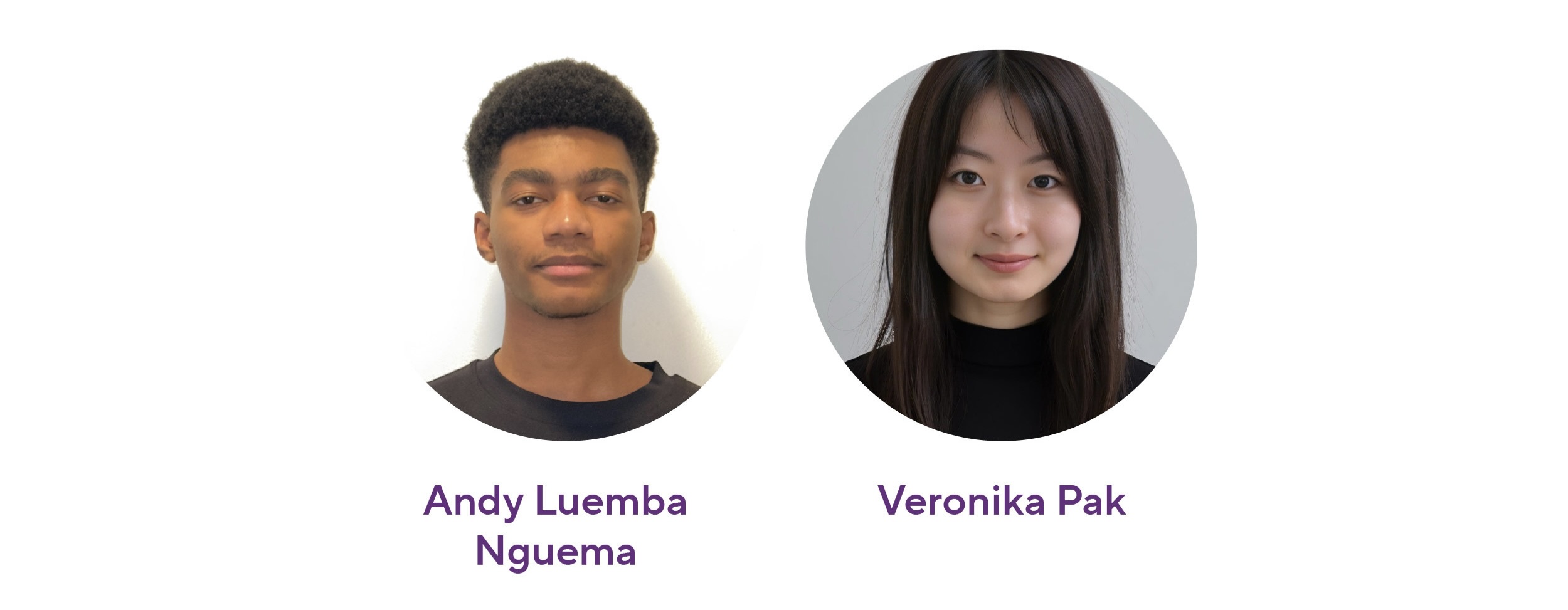
Third place: Ensemble