Summer School in Responsible AI and Human Rights

The Summer School brings together participants from diverse backgrounds to explore the intersections between responsible AI and human rights. The 2026 cohort, will be held in Mexico, through an exclusive partnership with CINVESTAV (Center for Research and Advanced Studies) and in collaboration with IVADO.

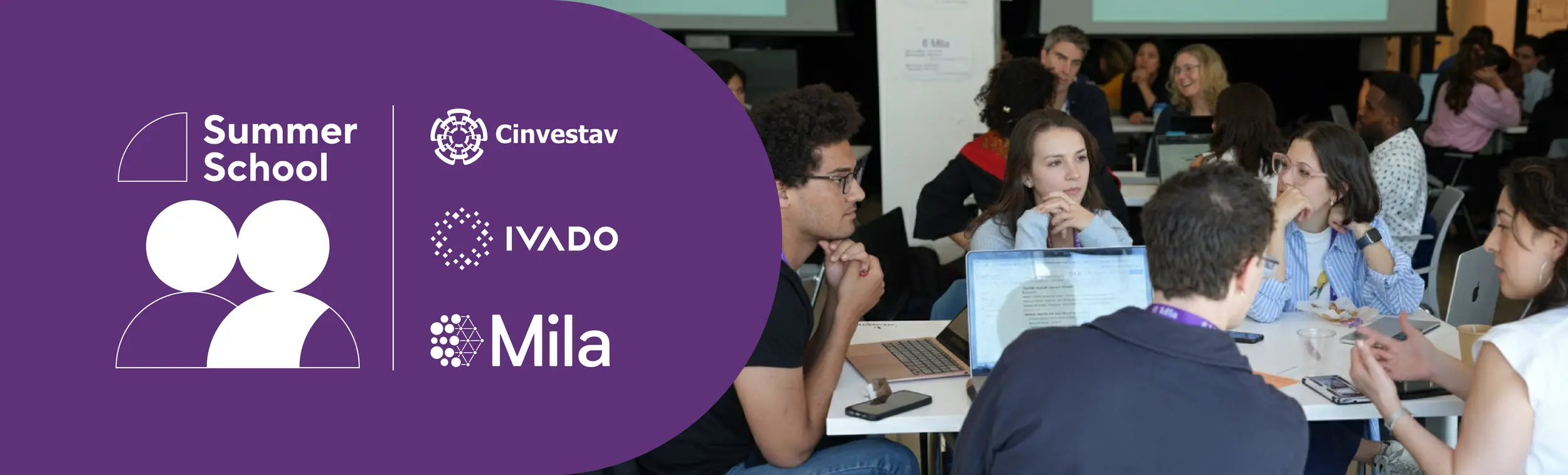
Image of participants talking together

The Summer School at a Glance

  • 20+ nationalities
  • 100% of participants recommend the summer school
  • 95% think the summer school fostered a collaborative and inclusive learning environment
  • 93% implemented responsible AI practices in their organization/community following the summer school.
  • +70% are still in contact with other participants after 1 year

About

The summer school's sessions include responsible AI, AI governance, AI ethics and legal aspects of AI. Participants will acquire both theoretical knowledge and practical skills to better understand and navigate questions emerging at the intersection of responsible AI and human rights.

The summer school requires around 40 hours of work, including class time, activities, a possible short preparation session before the summer school, group work and projects. A certificate of participation will be awarded following completion of the program. 

You may find a recap of the 2023, 2024 and 2025 edition here.

Be among the first to know about the 2026 Summer School in Responsible AI and Human Rights call for applications!

Register here to be informed

  • What: A 5-day intensive learning program combining theory, practice and skills development on the topic of responsible AI and human rights.

  • Who: Graduate students, early-career researchers, professionals from the public, private and non-profit sectors from all around the world. Prerequisites: participants must have basic AI-related expertise, and/or professional experience in relevant fields (STEM, or relevant areas of law, policy or social sciences).

  • When: May 17 to 22, 2026

  • Where: CINVESTAV - Mexico City, Mexico

  • Capacity: The program is limited to 40 participants

  • Language: The summer school will be bilingual, with sessions and presentations offered in French and in English. Participants need not be fluent in both languages, but basic proficiency in both is an asset. Resources will be available in both French and English, and translation tools will be used to make the content accessible to all. Please note that some sessions may be offered in Spanish, with translation available.

With sessions led by renowned national and international experts and practical workshops, the summer school is a unique opportunity to: 

  • Reflect on the ethical, legal, political and socio-technical issues raised by AI in various development and application environments;
  • Understand existing normative frameworks (Declaration of Montreal, UNESCO Recommendation on the Ethics of AI, human rights framework, etc.) and their implications for responsible AI and human rights;
  • Explore the main issues facing society and organizations in the development and application of AI;
  • Develop essential skills in responsible AI, such as working in an interdisciplinary setting, exercising leadership and using scientific diplomacy skills to navigate the multidisciplinary, global and practical reality of responsible AI.
  • Build lasting relationships with passionate and committed individuals from all over the world.

Each day of the school focuses on a specific theme like responsible AI, AI governance, AI ethics, legal aspects of AI, and human rights.

From theory to practice

Morning sessions will allow participants to discover the relevant theoretical foundations pertaining to the day’s theme and explore existing application and evaluation tools. 

Afternoon sessions will be focusing on practical workshops and experiential learning; participants will take part in skills-building workshops, hands-on activities and other applied learning activities such as case studies.

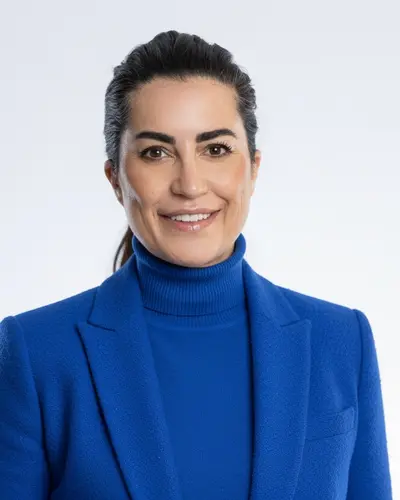
Academic Leadership


Associate Academic Member
Portrait of Catherine Régis
Full Professor, Université de Montréal
Canada CIFAR AI Chair

Program Costs

Summer school registration fees vary according to participant category: 

  • CInvestav and UdeM 2nd and 3rd cycle students and BCI members: $250 CAD*

  • International 2nd and 3rd cycle students and non-BCI members: $450 CAD*

  • Post-docs and professionals from the public sector or non-profit organizations: $1150 CAD*

  • Private sector professionals: $1750 CAD*

A 15% discount is offered to Mila partners. 

*Please note that the price presented here does not include the fees associated with university credits for students from UdeM and members of the BCI network. 

Registration fees cover access to program content, lunches during the five-day program, as well as opening and closing social events. They do not cover accommodation, transportation, meals not mentioned and any visa fees.

Financial Support

If you are selected, you will have the opportunity to benefit from financial support. When applying for the summer school, a section will be dedicated to financial support. Evaluators will not have access to this information and it will not be taken into account during the selection process. Once selected, financial support applications will be evaluated to ensure a fair distribution of financial resources among those in need. Answers regarding financial needs will be given promptly.

Financial Support Policy

We strongly believe that opportunities should be available to all, regardless of socio-economic status. We also recognize the richness of perspectives arising from ethnic, cultural, historical and geographical differences, but also the lack of opportunities for voices from outside western countries and cultures to contribute to the conversation around Responsible AI. 

In order to ensure the fairness of our initiative, to attract people from various backgrounds and to include their voices, we provide a limited number of scholarships to participants with a proven need for financial support. The scholarships are designed to support participants who would not otherwise be able to cover any or all of the costs of Summer School. The bursary can help the recipient cover various expenses related to his/her participation in the Summer School, such as the cost of the summer school ticket, accommodation, travel. Eligible participants may come from less developed countries, disadvantaged socioeconomic environments and/or marginalized communities. 

Due to the limited number of available scholarships, a note explaining why you believe you are eligible for the coverage of your expenses must be provided to us in your application. We encourage participants to include a detailed description of their situation and other forms of assistance or recognition they receive to support your application. Applicants should make sure to include an estimate of their summer school expenses to enable us to assess the needs of each applicant.

Individuals from all cultural and ethnic backgrounds are welcome at the summer school. Each participant in need of a visa will receive, upon request, a letter of invitation signed by our partner CINVESTAV, Mila and the Université de Montréal. To find out if you need a visa and to find out what steps to take to apply for an entry visa into Mexico, click here. We also recommend that you contact the Mexican embassy or consulate responsible for your country of residence to obtain more information about the visa application process and processing times. You can find the list of Mexican embassies around the world here.


Application and Selection Process

As the number of participants is limited, the selection of candidates will be based on the excellence of their application. Evaluators will only have access to the documents uploaded and your answers to motivation questions to assess applications. You will be notified by the end of January.

The application period for the third edition of the 2025 Summer School is now closed.

In the event of over- or under-representation of a group within the selected cohort, the selection committee retains the right to give preference to certain candidates in order to ensure a plurality of experiences and perspectives within the group. In this case only, the committee may refer to the forms completed at the time of application. 

A waiting list may be set up until all available places have been filled. If this is the case, you will be informed.

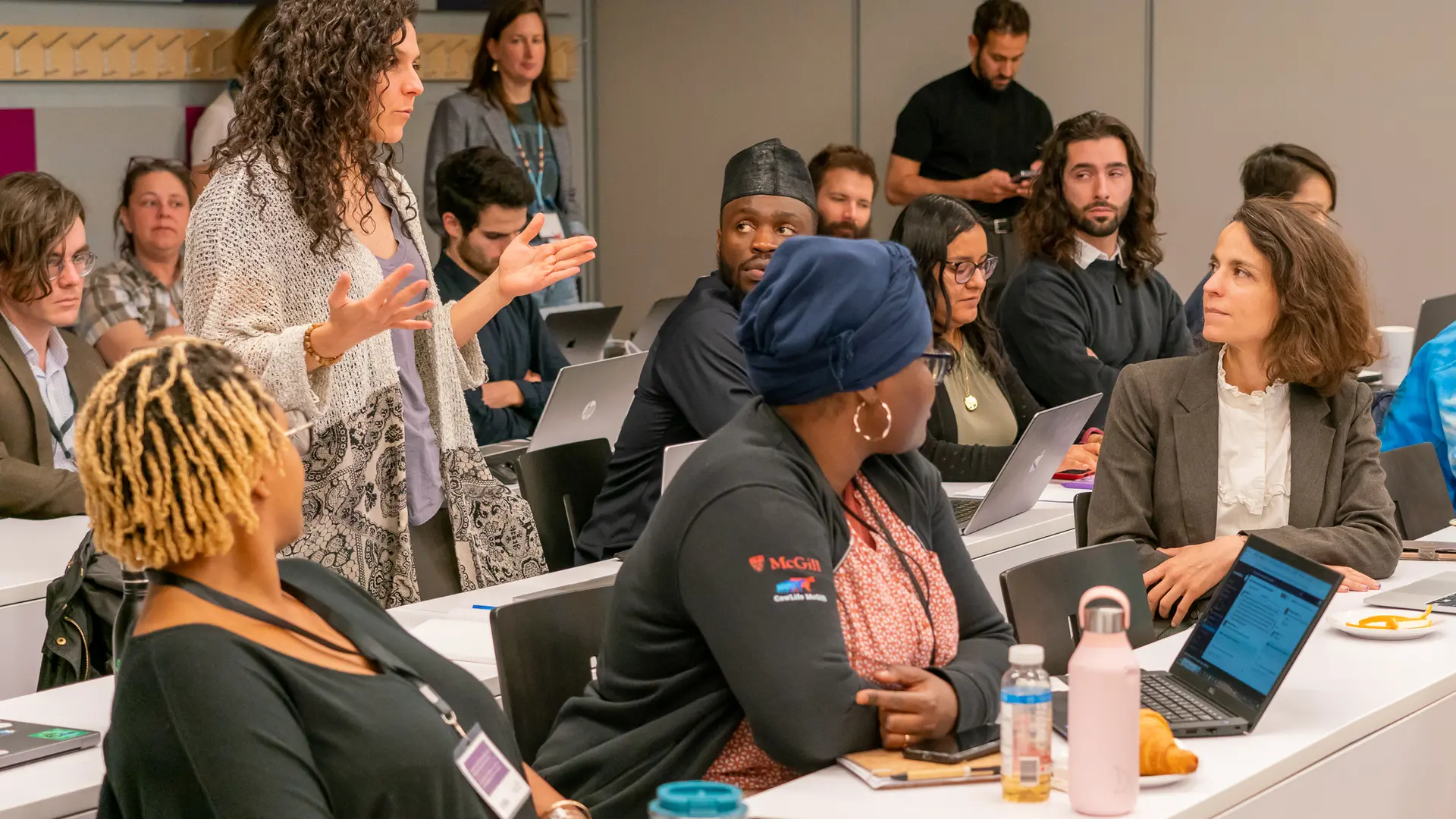
Summer school participants discuss during a class session.
Summer school participants acquire the theoretical knowledge and practical expertise to effectively address and manage issues at the intersection of AI and human rights.
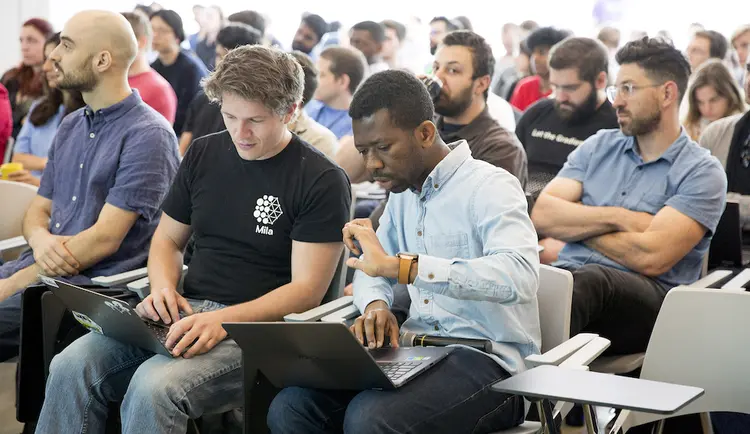
A classroom full of students listening to speakers deliver engaging presentations.
Guest speakers Nathalie Smuha and Mark Shaan during their talk on "Intersecting views from Canada & European Union".
3 speakers on stage giving a talk.
Shingai Manjengwa, Maria Axente and Professor Blake Richards engage with participants at a summer school session.
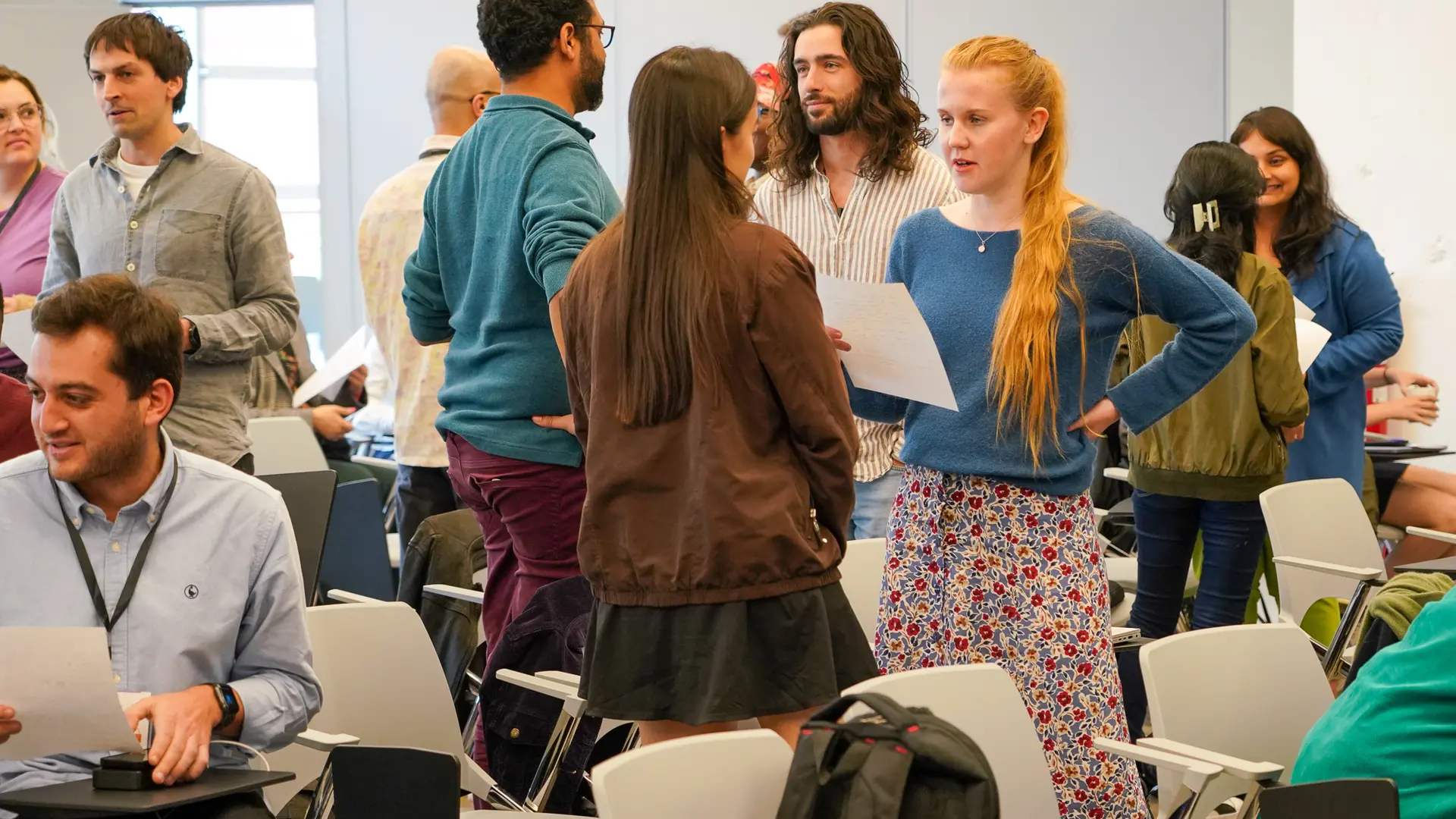
Summer school participants participants interacting with each other during a break.
During the program, participants have a unique opportunity to exchange ideas with their peers.
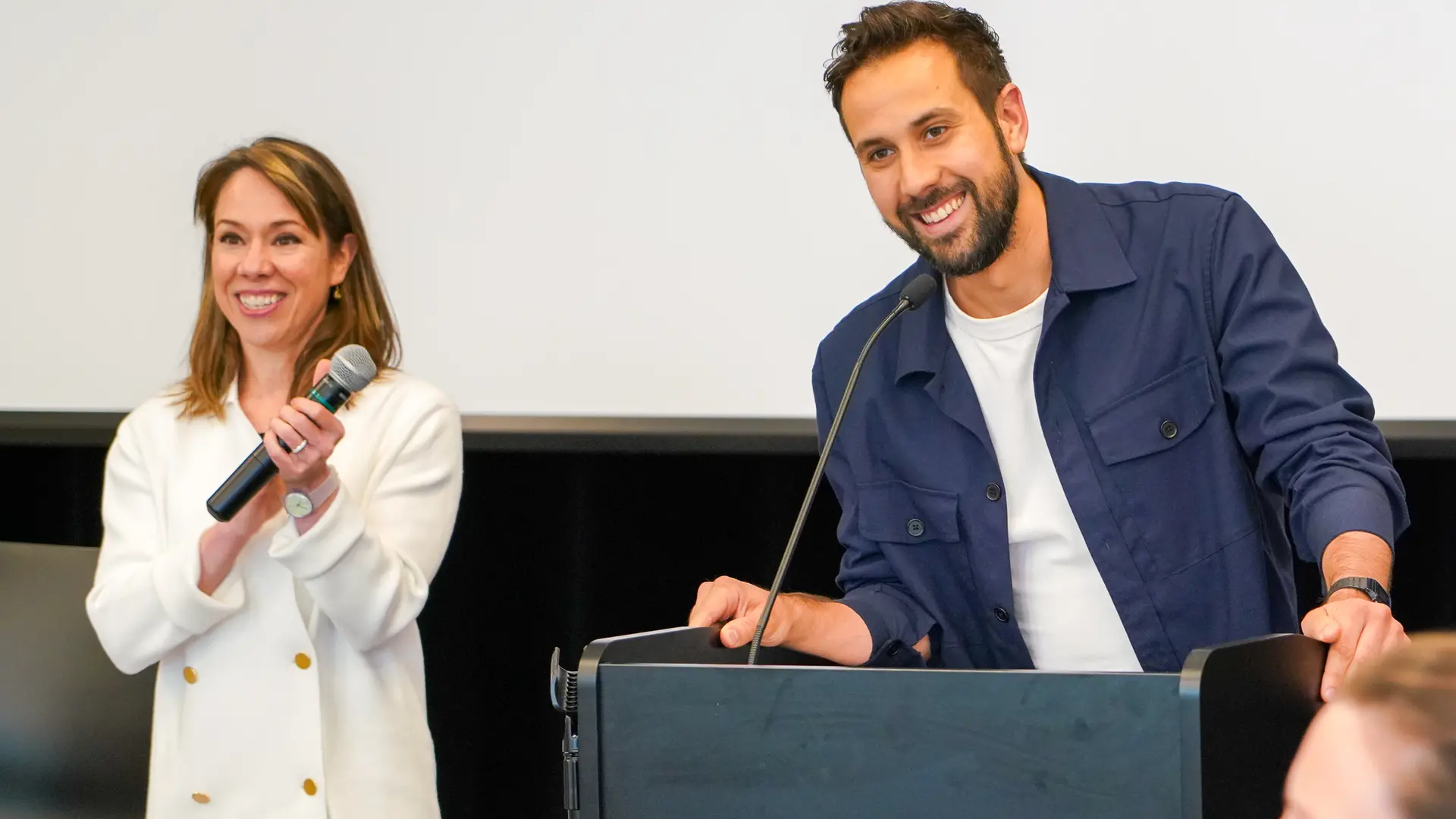
Catherine Régis and Benjamin Prud'homme at the summer school's welcome event.
Catherine Régis, Scientific Director of the summer school, and Benjamin Prud'homme, Vice-President, Policy, Safety and Global Affairs of Mila, at the welcome event.
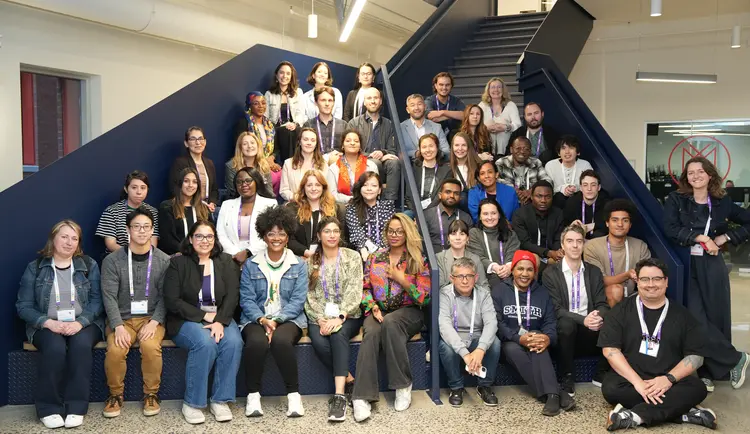
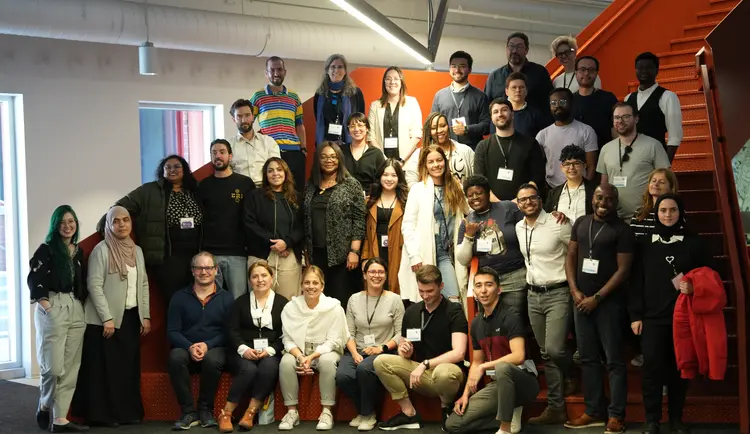
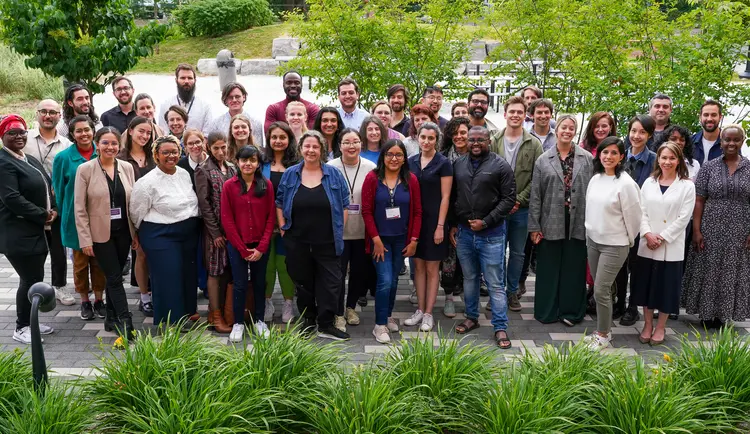
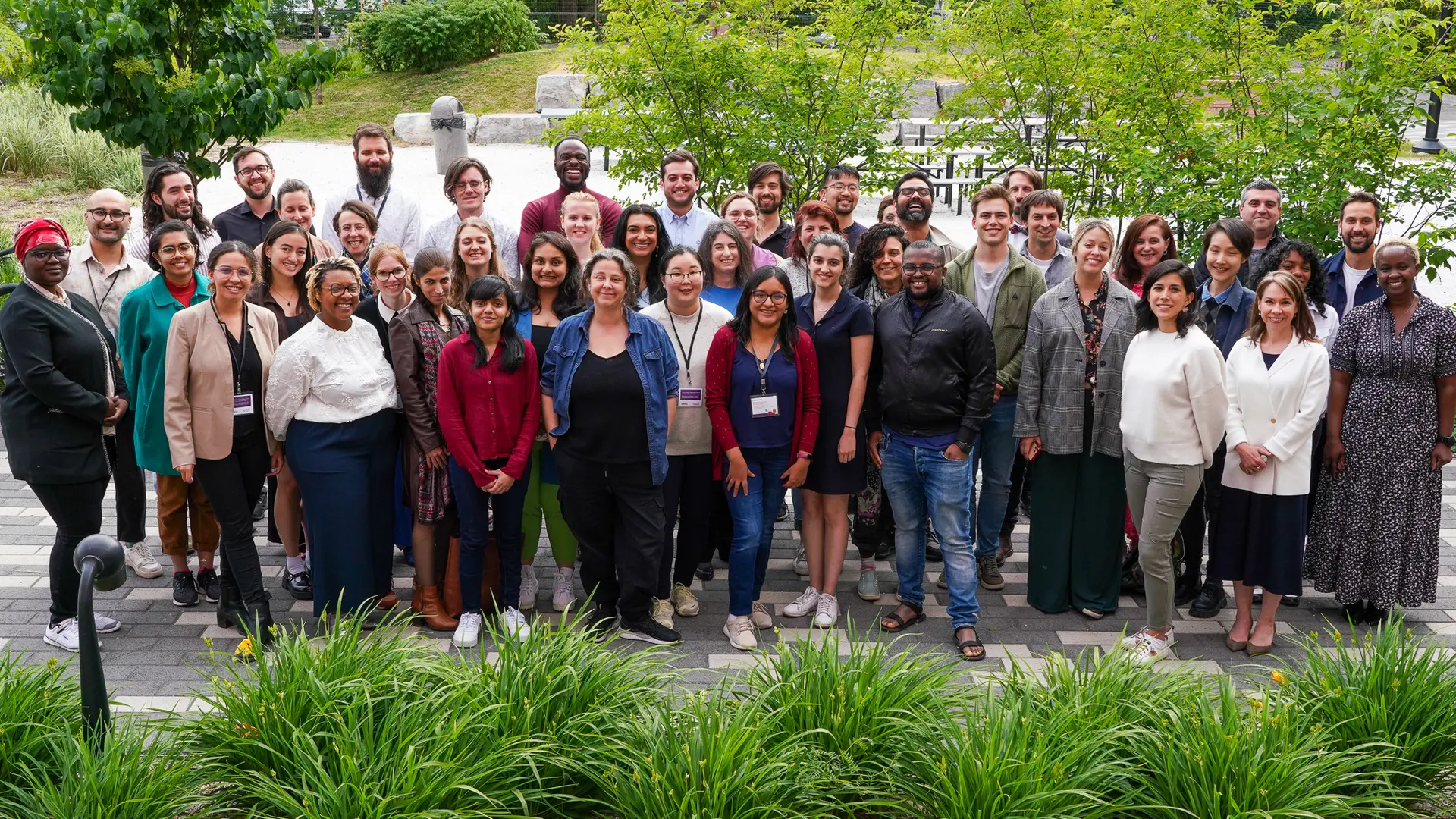
First cohort of the Summer School in Responsible AI and Human Rights.
First cohort of the summer school in responsible AI and human rights.

Frequently Asked Questions

Does the summer school take place online?

The Summer School is an in-person event. It is offered only on-site. We do not offer an option to join the summer school online.
When does the application period end?

The application period for the Summer 2026 cohort runs from December 8, 2025 to January 9, 2026.

When can I expect an answer?

Selected candidates will be contacted at the end of January.

Is the program suitable for people with a technical background?

Yes, the summer school aims to draw on different perspectives, both social and technical, and to create a space for exchange between them.

Does the school require a background in social science/law/humanities?

The summer school does not require training in any specific field of expertise. The program only requires that you have expertise closely related to AI, whether you have a background in law/humanities/social sciences OR a technical background. The important thing is that you have a strong interest in Responsible AI, and that you can both benefit from and contribute to the conversation on the various topics provided for in the program.

Is the summer school open to international participants?

Yes, the summer school aims to welcome diverse voices from different geographical and cultural backgrounds. The 2023 cohort was made up of over 20 nationalities, and this diversity contributes greatly to the richness of the program. So your application is more than welcome, wherever you come from!

Will my participation in the summer school be credited or recognized?

The summer school offers a certificate to participants who successfully complete the program.

Students wishing to receive credit for the training will also be able to do so. Students from Université de Montréal and other BCI member institutions in Quebec will be required to pass the evaluation at the end of the summer school, which represents an investment of approximately 6 hours in addition to the 40 hours of programming and activities. In this case, the summer school is equivalent to a total of 45 hours for 3 university credits. It is the responsibility of students wishing to receive credit for the training to take the necessary steps to register with their TGDE (UdeM students) or the BCI (students from other Quebec universities) and to pay the related fees. 

International students or students from outside Quebec who wish to do so will be able to have the certificate awarded at the end of the summer school recognized by their educational institution and obtain university credits, in accordance with the terms and conditions laid down by their institution.

What is included in the cost of the summer school?

The cost of the summer school covers the entire program, lunches for the duration of the program, as well as the opening and closing events. The summer school does not cover transportation (local and international) or your accommodation in Mexico.

Do I have to pay for accommodation, meals and transportation?

As far as meals are concerned, the summer school fee covers coffee breaks, lunches and meals at the opening and closing events. Other meals must be arranged by you. For accommodation and local (and international) transport, you'll need to cover these details yourself. 

If you benefit from our financial support, the cost of the summer school, transport and accommodation can be covered by us.

I need a visa, how can I proceed?

If you know you'll need a visa to come to Mexico and take part in the summer school, please connect directly with the Mexican Embassy or Consulate that covers your country of residence in order to obtain information about the visa application process and the estimated processing time. You can follow this link to see the list of Mexican Embassies. You will need to let us know as soon as possible that you will require a visa so that we can send you a letter of invitation to the summer school, signed by Mila and the Université de Montréal, to be included in the documentation to be submitted with your visa application.

I need financial support to take part in the summer school. What should I do?

The summer school offers financial support to participants who would not be able to cover all or part of the expenses related to their participation in the program. Once admitted, participants will receive an email on this subject.

If I find I can't participate after I've paid my entry fee, can I get a refund?

Yes, as long as you inform us in advance. Our cancellation and refund policy requires that you inform us of your intention to withdraw 30 days in advance for a full refund, after which no refund will be possible. The earlier you notify us, the better, as the approach of the program start date leaves us little margin to offer the place to someone else. Please see the appropriate section for more information.

What is the cancellation policy?

Registered participants who are not authorized to travel on the summer school start date for one of the following reasons will be reimbursed:

  • Visa not issued on time (with proof of reasonable delays);
  • Country restrictions related to COVID-19

Note: dated proof of inability to travel will be required.  

Participant cancellations will be processed as follows: up to 30 days before the event, participants will receive a full refund; after this deadline, no refunds will be issued.

Have questions about the program?