

Mila's Community of Practice - AI Governance: Evaluation, architecture, and oversight
to
À distance
Remote only
As AI systems become more autonomous, how to govern them is becoming a central question for organizations. How can these systems be evaluated rigorously? What architectures help keep them under control? And who is accountable when an AI agent acts in the real world?
This edition of the Mila Community of Practice brings together researchers, experts, and practitioners to explore these questions, with a particular focus on agentic AI. The event is held in two parts: expert presentations open to all, followed by a hands-on workshop in small groups to turn ideas into action.
Part I — Expert Presentations and Discussion
Time: 12:00 PM to 1:20 PM
Format: Online and free
Hosted by Rose Landry, Manager, AI Governance at Mila and Héloïse Rivoal, Legal Affairs and AI Governance at Mila.
Three experts will share their perspectives on the evaluation, architecture, and oversight of AI systems:
- Jonathan Lebensold (Jetty, Mila)
- Matthew Riemer (Université de Montréal, Mila)
- Pierre-Luc Bacon (Université de Montréal, Mila)
The presentations will be followed by a guided discussion among the speakers and a Q&A session with the audience.
Part II — Hands-on Workshop: Governing Agentic AI in Organizations
Who should attend?
Researchers, managers, and leaders in compliance, security, or innovation, as well as anyone involved in deploying or overseeing AI systems within their organization.
Time: 1:30 PM to 3:00 PM
Format: Online
Fee: $40 (limited spots)
Voluntarily led by Laurence Biron, Senior Advisor, AI and Data Governance, Levio
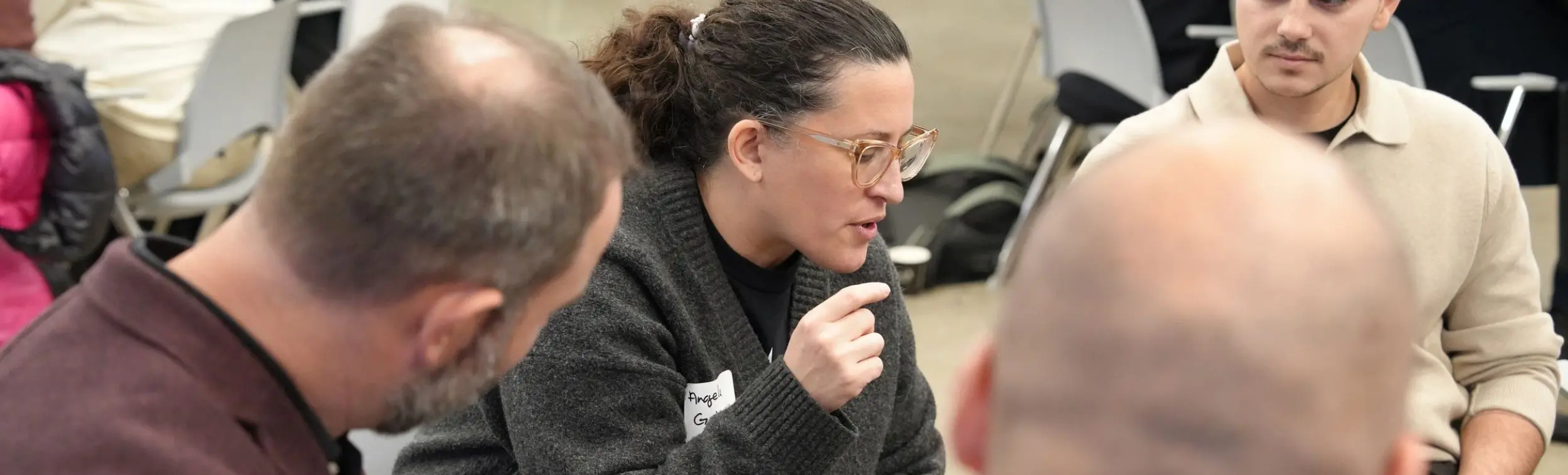
The session will open with a practical case study outlining the key principles for governing agentic AI from an organizational governance perspective. Participants will then break into small groups supported by a facilitator to:
- analyze real-world scenarios;
- design control mechanisms;
- define roles and responsibilities.
Each group will then share its conclusions in a plenary session. A comprehensive summary of the workshop will be shared with participants following the event.