



Shaping the Future of Intelligence

In just a few years, artificial intelligence (AI) has moved from a niche academic concept to the mainstream. Today, countries, organizations and citizens are facing a new reality that is constantly shifting. Extraordinary opportunities lie ahead for humanity, but this rapid acceleration has also given rise to profound societal challenges.
A little under a decade ago, Yoshua Bengio, in partnership with Université de Montréal and McGill University, founded Mila with the conviction that AI should benefit everyone. Since then, the institute has fostered an interdisciplinary environment where global talent can thrive and put down roots in Canada. Every year, a growing number of exceptional minds flock to Montréal to join our unique community. We must now leverage this vibrant pool of expertise to face the global challenges of a new technological era.
In that spirit, Mila’s strategic mandate is evolving to solidify its role as a global AI nonprofit organization with tangible impact on science, the economy, and society. This evolution reflects a commitment to push the frontiers of cutting-edge science, to apply the best research at the service of leading organizations and to pioneer new paths of cooperation with other middle powers seeking to adapt to a new world in their own way.
At home, Mila is committed to helping organizations thrive and celebrating Canada and Québec’s unique cultural context. This is why we work with Hydro-Québec to safeguard the power grid with AI, with Cohere to adapt frontier models to Québec French, and with Télé-Québec to amplify the reach of local cultural content.
Mila Ventures, our startup incubator, has helped dozens of researchers turn their ideas into reality in Montréal, with almost 100 startups incubated and $137.6M in funding secured. More and more AI researchers are building Canadian companies to tackle real-world issues like precision medicine, climate change, and automated manufacturing.
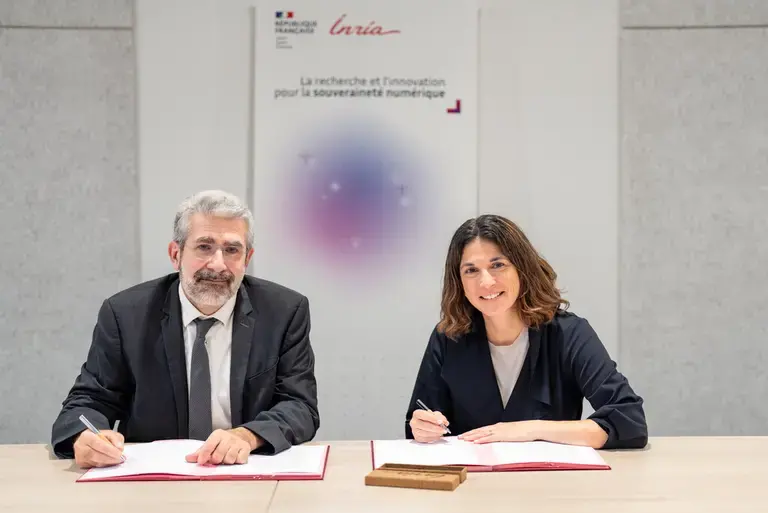
Around the world, Mila is forging and nurturing new alliances to promote the advance of AI for the benefit of everyone. We now collaborate with countries like France, Germany and Sweden to both share our mutual knowledge and strengthen each other’s technological ecosystem.
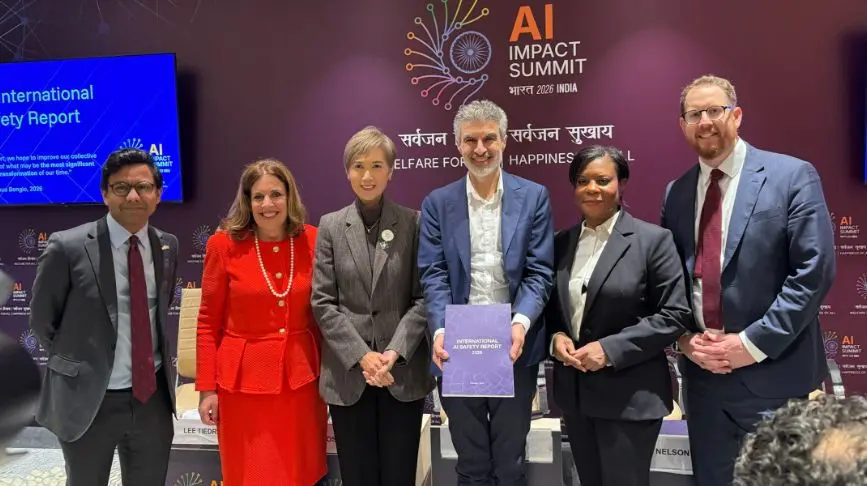
This year, we also contributed to global milestones like the International AI Safety Report, trained the next generation of AI-fluent policymakers, and joined provincial, national and international advisory groups to inform the future of AI. We also partnered with Mozilla to lay the foundations of a fully open-source, sovereign AI stack to offer alternatives to the world.
More than ever, Mila is committed to shaping a future of intelligence where humans can thrive. This impact report is a showcase of what we have accomplished in the past year, and a glimpse of what is yet to come.







For nearly a decade, Mila has advanced artificial intelligence to address humanity’s most pressing challenges. Today, our scientific community mobilizes its expertise to drive fundamental discoveries and fuel our impact across five interconnected frontiers: scientific, economic, technological, societal, and human.
The scientific frontier
1,800+ researchers advance AI, from health and climate to language and robotics, to tackle humanity’s most pressing challenges.
The economic frontier
Through partnerships with 190+ industry leaders and a dedicated startup launchpad, Mila turns cutting-edge research into real-world innovation.
The technological frontier
Mila designs open, efficient AI systems that reduce computing and energy costs while expanding access to the technology.
The societal frontier
Through a global network of governments, international organizations, and academic partners, Mila helps shape a future for AI grounded in trust and collective well-being.
The human frontier
Mila drives safer, more inclusive AI, elevates Indigenous and underrepresented voices, and prepares the next generation of AI-native leaders and citizens.
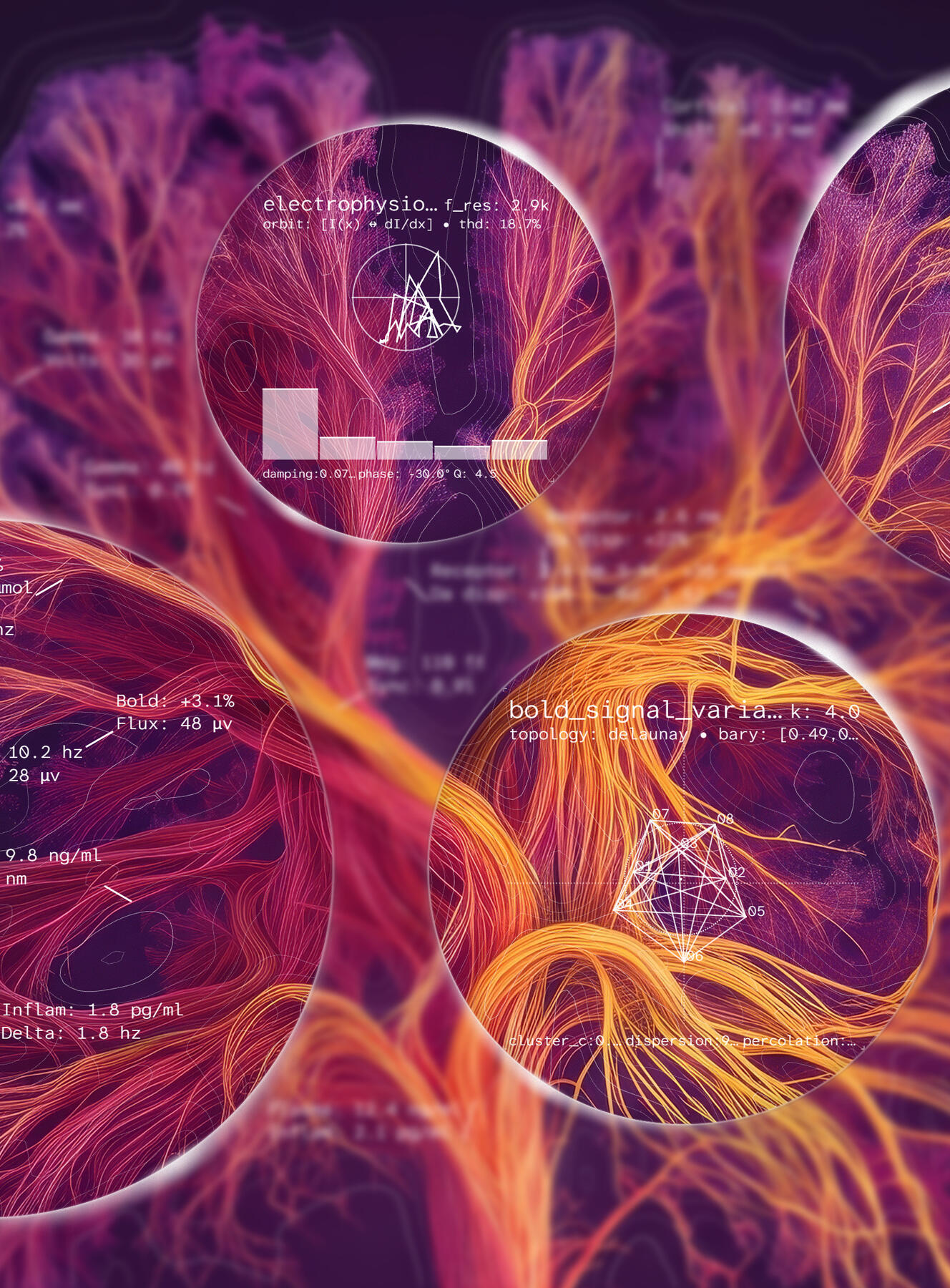

1,800+ researchers advance AI, from health and climate to language and robotics, to tackle humanity’s most pressing challenges.
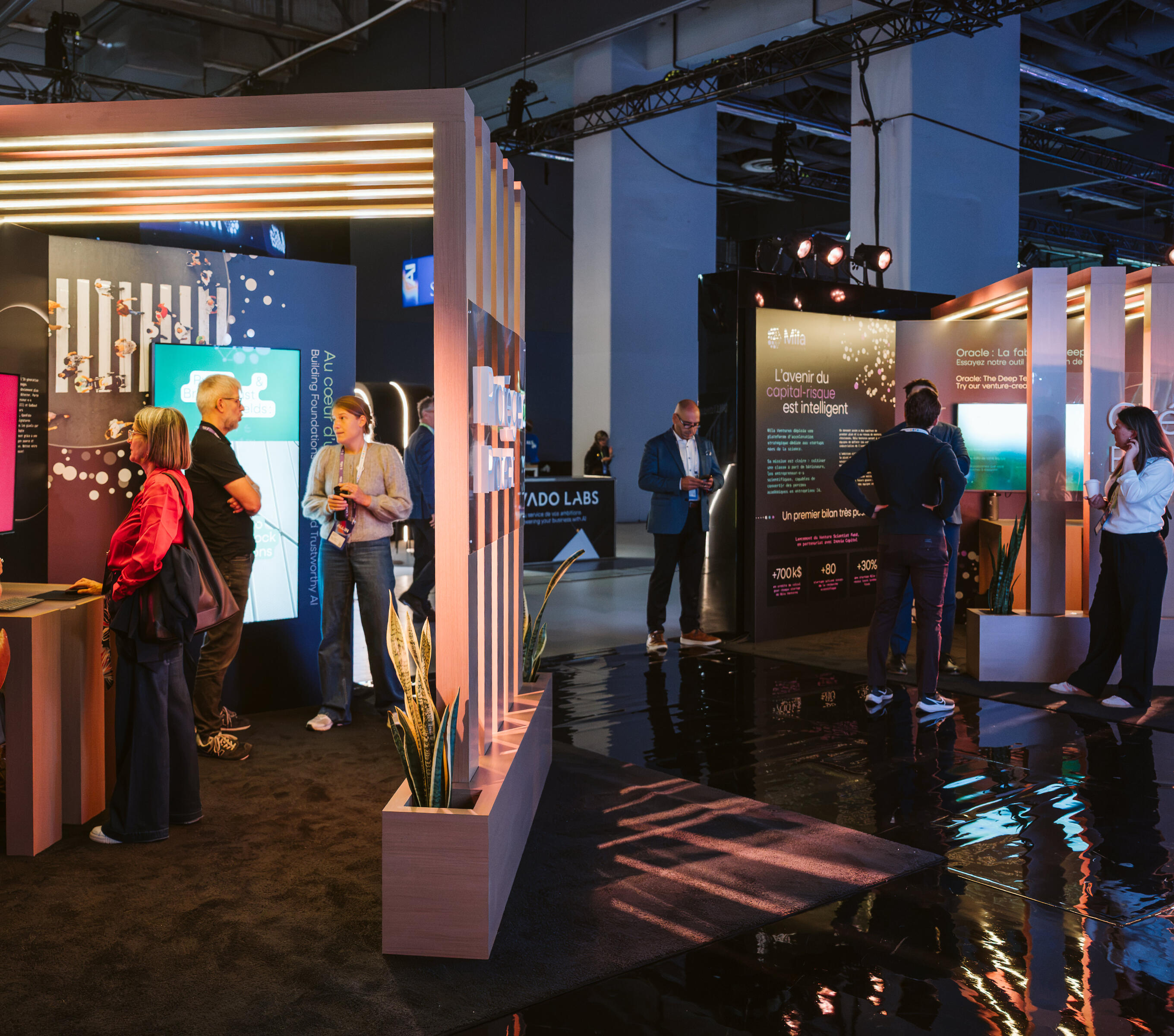
Photo Credit: Melanie Olmstead
At the heart of ALL IN 2026
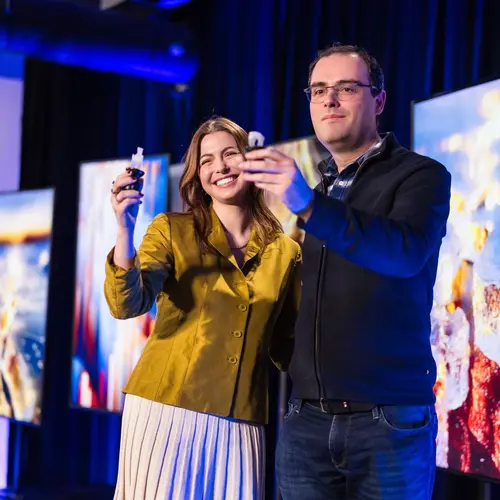
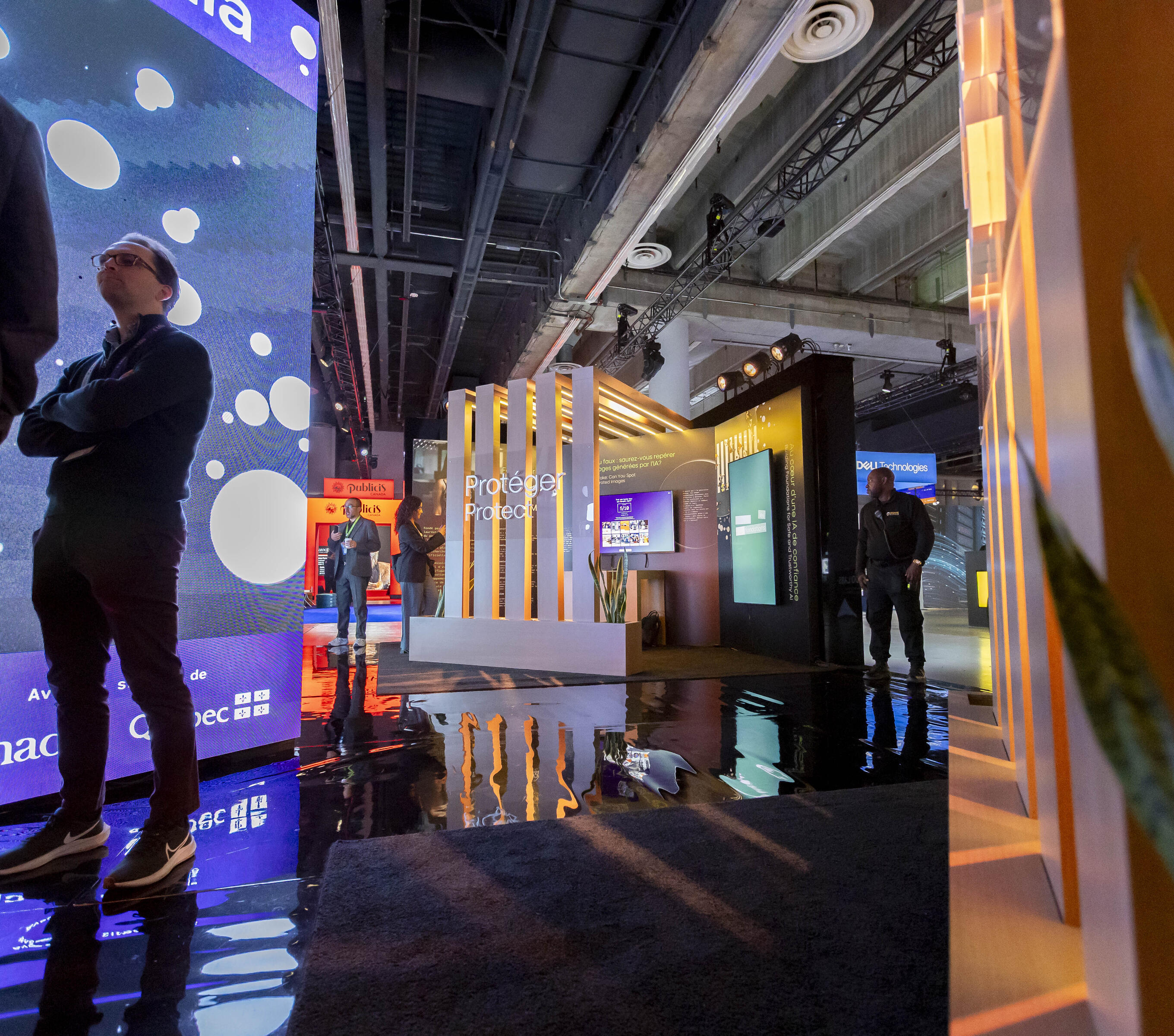
Mila played a central role at ALL IN 2026, the flagship event of the Canadian AI ecosystem that convened over 10,000 participants, 200 speakers, and 200 partner organizations in Montréal on September 16-17 to discuss the future of AI.
Our leadership and faculty, including Mila Scientific Director Hugo Larochelle, Mila President and CEO Valérie Pisano, and Core Academic Members Emma Frejinger (Université de Montréal), Glen Berseth (Université de Montréal), and Laurent Charlin (HEC Montréal), led key sessions spanning AI leadership, industrial R&D, intelligent logistics, robotics, and AI in education.
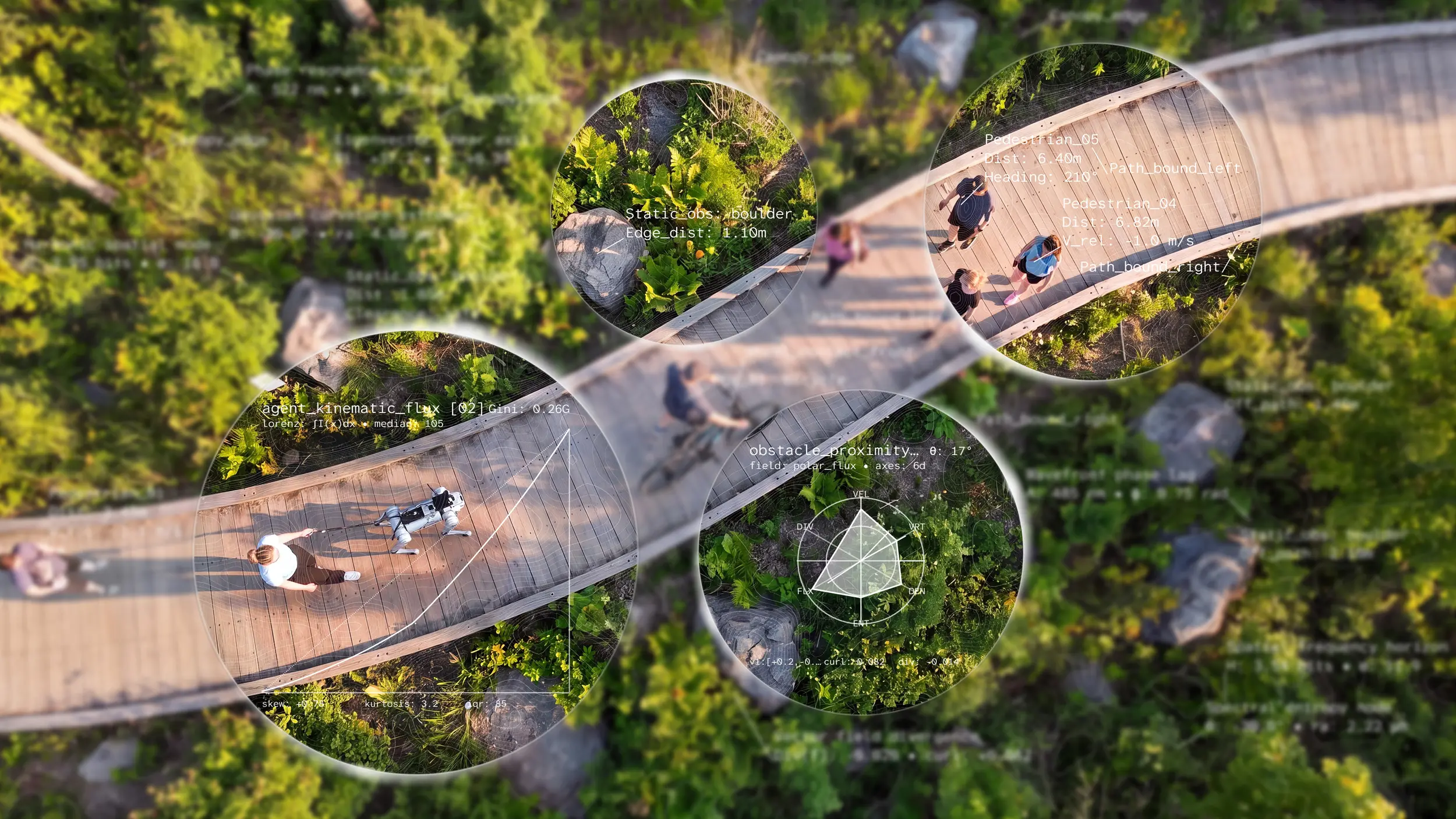
At the Mila booth, attendees discovered an open-source AI hub showcasing the first fully autonomous robotic guide dog and a sovereign agentic software factory, an AI safety pavilion featuring a visual deepfake detection challenge, and a Mila Ventures space highlighting ways to turn promising research into venture-backed startups.
Mila also took centre stage during three major announcements alongside Canada’s Minister of Artificial Intelligence and Digital Innovation, Evan Solomon. Together, these initiatives reinforced Mila’s role as a core pillar of the Canadian and global AI ecosystem.
An open-source initiative
Mila, Mozilla, Hypertec, and the Government of Canada announced an initiative to provide small and medium-sized enterprises with accessible, affordable, and privacy-preserving open-source AI tools.
A milestone for LawZero
Canada and Germany committed up to $300M to support Yoshua Bengio’s LawZero not-for-profit startup, incubated at Mila, to develop a new class of AI model that is safe, transparent, and trustworthy by design.
A research partnership on safe AI
Mila and the German Research Center for Artificial Intelligence (DFKI) established an applied research partnership to advance bilateral cooperation on safe AI systems and smart energy infrastructure.
Following Yoshua Bengio’s founding of LawZero last year, Hugo Larochelle took over as Mila’s Scientific Director. Since then, Mila’s commitment to encouraging impactful scientific discoveries has continued to grow. Every day, a growing community of 1,800 researchers from all around the globe gathers at our institute to explore novel research directions.
See Université de Montréal and Mila professor Étienne Laliberté and his team, who fly drones above the tropical canopy of Panama and use AI to process thousands of high-resolution images in hours instead of months.
With this method, researchers can follow each individual tree from a bird’s-eye view to monitor forests at scale and better understand the impacts of climate change to protect fragile ecosystems, including in Canada.

Faculty members
Over the past year, Mila has welcomed 33 new faculty members, a growth of 20%.
Student researchers
During the last fiscal year, Mila had more than 1,600 student researchers in its community.
Research projects
Mila-affiliated faculty members continue to be highly engaged in research, with 697 projects currently underway.
Peer-reviewed articles
Mila researchers have published over 870 peer-reviewed articles since last October.
Scholarships
More than 420 scholarships have been awarded to Mila students since last year, for a total value of more than $8 million.
CIFAR Chair renewals
Over the past year, 16 of our faculty members have been reappointed as Canada CIFAR AI Chairs, a cornerstone of Canada's National Artificial Intelligence Strategy, AI for All. In addition, five faculty members were also newly appointed to the Chair program.
Awards and distinctions
Over the past year, Mila’s faculty members and researchers continued to make their mark on the global stage, earning prestigious awards and honors across the AI ecosystem. Discover how our community’s achievements are being celebrated worldwide.
Considered one of the world’s leaders in artificial intelligence and Deep Learning, Yoshua Bengio is the most cited computer scientist worldwide, and the most-cited living scientist across all fields by total citations.
He also co-chaired the UN Scientific Panel Report on AI dedicated to advancing the scientific understanding of AI and ensuring international deliberations are informed by the best available evidence.
Core Academic Member at Mila and Assistant Professor in the School of Computer Science at McGill University, Adelani has been selected for the prestigious AI2050 Early Career Fellowship program by Schmidt Sciences. This recognition highlights the crucial importance of his work in developing more equitable and inclusive AI models.
Expert in natural language processing and machine learning, Siva Reddy’s research aims to endow machines with advanced linguistic reasoning capabilities, enabling them to converse and perform tasks akin to human interactions. A major focus of his work is making these systems safer by aligning them with human values.
Additionally, he received the Outstanding Early Career Computer Science Researcher Award, presented by Computer Science Canada.
Samira A. Rahimi lab's work aims to improve primary healthcare delivery and expand access to care for vulnerable and underserved populations.The Dr. Donald A. Henderson Prize for Outstanding Global Health Research aims to acknowledge early-career professors whose published research has a significant impact and demonstrates undeniable excellence in global health.
Furthermore, she was appointed to the U7+ Alliance Working Group on Artificial Intelligence to represent universities in discussions with the G7 on the future of AI, specifically AI governance, ethics, and the contributions of academic institutions to AI research, education, and policy frameworks.
Foutse Khomh specializes in the quality assurance of deep learning systems. His research is instrumental in ensuring the safe and reliable adoption of AI within the field of software engineering. This appointment is a key opportunity to build upon the existing synergies between Polytechnique Montréal and Mila, centered on shared research goals in innovation, safety, and equity for intelligent systems.
This award gives exceptional scientists the freedom to innovate and push the boundaries of scientific discovery, much like his pioneering research at the intersection of brains and algorithms.
The Canada CIFAR AI Chairs Program is a cornerstone of the Pan-Canadian Artificial Intelligence Strategy. The program aims to recruit top AI researchers from around the world to Canada while supporting existing talent.
Highlights






Alongside the work conducted by our researchers, our scientific community also focuses its efforts around eight research directions. Envisioned as coalitions, they encourage the pooling of knowledge to amplify our advances across all five of our frontiers.
AI safety
Developing alignment protocols, evaluation benchmarks, and interpretability tools to guarantee advanced systems remain safe and aligned with human values.
Sound scientific discovery
Engineering reliable safeguards to accelerate scientific discoveries in many domains.
Information integrity
Protecting information ecosystems against disinformation, manipulation, and coordinated AI agent swarms.
Embodied AI and robotics
Fusing multimodal spatial reasoning with physical control to deploy safe and adaptable robotic systems.
Environment and energy
Applying machine learning to accelerate the clean energy transition, biodiversity monitoring, extreme weather forecasting, and climate resilience.
Multi-agent systems
Designing protocols and benchmarks to govern safe coordination and collective behavior of autonomous agents.
NeuroAI
Exploring shared computational principles between biological and artificial brains to pioneer energy-efficient architectures and clinical neurotechnologies.
Continual learning
Architecting adaptive systems that learn from real-time experience without forgetting, significantly reducing compute usage.
More than ever, Mila is committed to helping Canadian organizations thrive and encouraging the next generation of scientific entrepreneurs to translate their research into high-impact companies.
Mila connects industrial partners with cutting-edge AI research to solve critical challenges, mapping critical minerals in Canada’s soil to accelerating drug discovery.
Through our incubator, Mila Ventures, we supported a hundred growing startups in securing $137M+ in funding and advancing breakthroughs in fields like physical AI, manufacturing, and healthcare.
New partners
Mila welcomed 62 new partner organizations to its community, which now numbers 192 partners.
Projects
In the last fiscal year, Mila’s AI adoption and innovation initiatives led to 406 projects and transactions, positively impacting 239 organizations across various sectors.
Incubated startups
Mila Ventures supported 99 early-stage deep-tech companies in establishing and scaling their operations in Montréal, reinforcing the city's position as a premier global hub for AI entrepreneurship.
Total funding secured
Startups supported through Mila Ventures raised over $137.6 million in investment capital, fuelling the commercialization of cutting-edge AI research and driving long-term economic growth.
AI researchers engaged
Mila Ventures mobilized 189 AI researchers through specialized venture programs and signature events, bridging the gap between academic discovery and market-ready enterprise creation.
Highlights

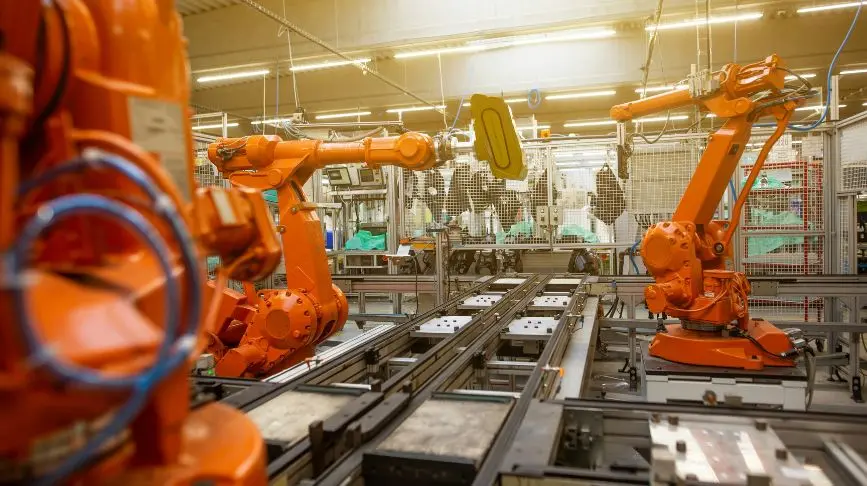



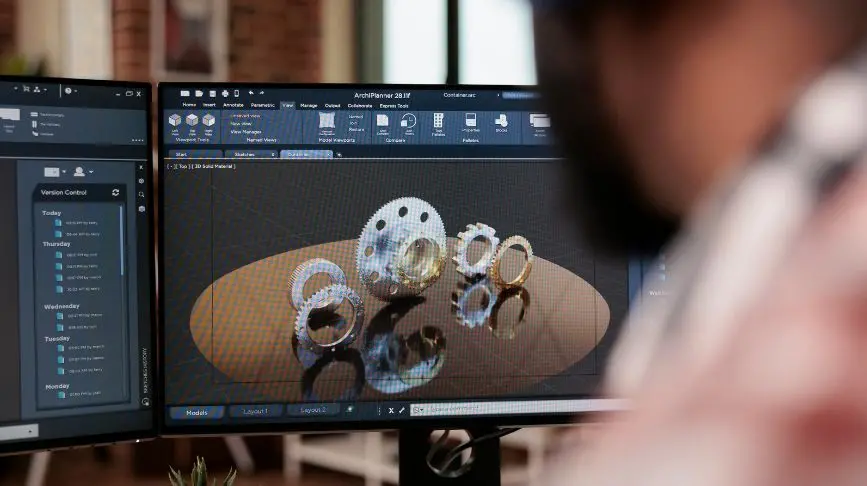
As AI models grow in power, the infrastructure required to run them must evolve to be sustainable, accessible, and safe.
From building an enterprise-ready open-source AI stack with Mozilla and developing the first fully autonomous robotic guide dog to slashing energy footprints with optimized inference, Mila is pioneering open and efficient AI systems.

Highlights



The rapid evolution of artificial intelligence requires robust governance and international cooperation. Through an extensive network of governments, international organizations, and academic partners, Mila actively shapes local, national and global strategic AI deployment and governance.
Our work also spans projects to safeguard Quebec’s power grid and information integrity, frameworks for responsible robotics, and global AI education for policymakers, ensuring AI remains safe while serving the public good.

Secured for LawZero
LawZero secured up to $300 million to accelerate global AI safety research and build technical safeguards under Yoshua Bengio’s scientific leadership.
Policy leaders empowered
Through AI Advantage and AI Policy Compass, Mila trained 231 public servants and decision-makers in practical AI governance and responsible adoption.
Learners reached
Over the past year, 7,445 learners participated in programs and conferences promoting responsible AI.
Highlights

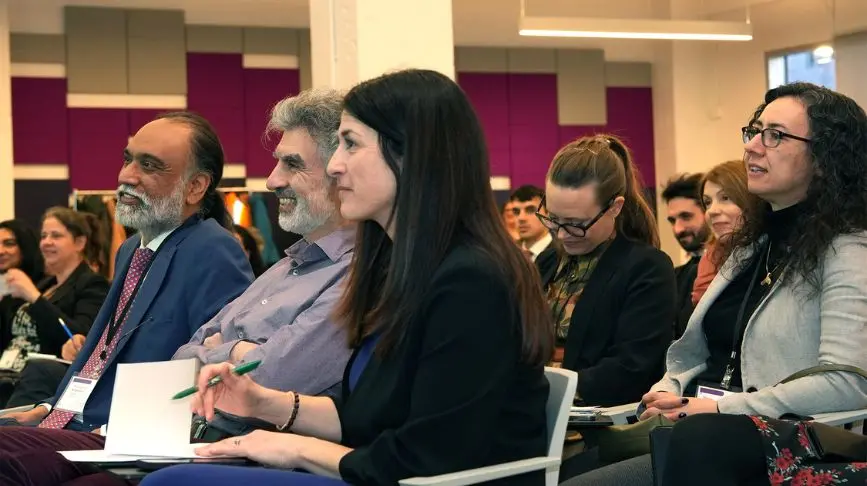

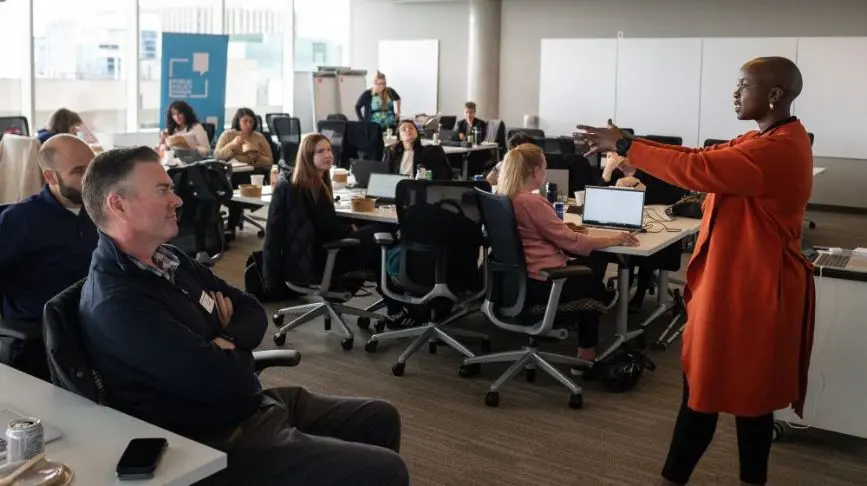


Since its inception, Mila has believed that technological progress must also be measured by its benefit to people and communities. We are committed to encouraging safer, more inclusive AI by elevating Indigenous perspectives, supporting data sovereignty, and empowering underrepresented voices.
This core belief is reflected in our commitment to cultural and linguistic sovereignty. Through an AI living lab with Télé-Québec, Mila enhances the discoverability of French-language content for youth, and a partnership with Cohere establishes benchmarks for Québec French, ensuring frontier models faithfully reflect our local cultural realities.
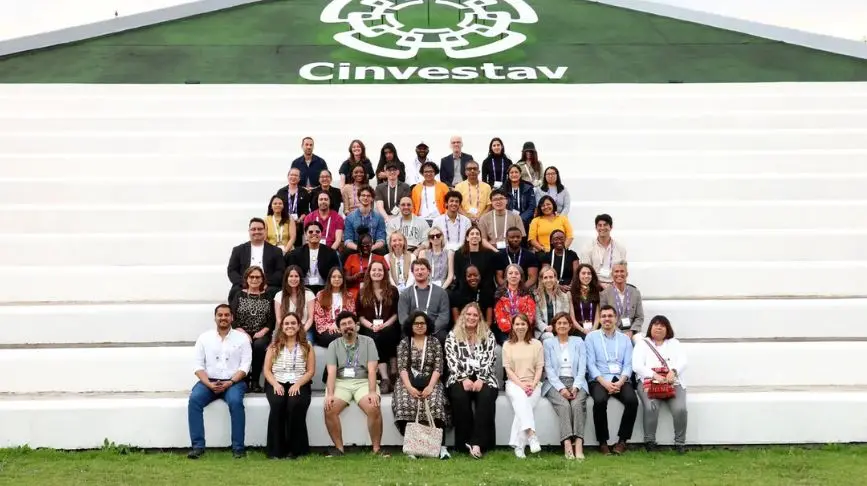
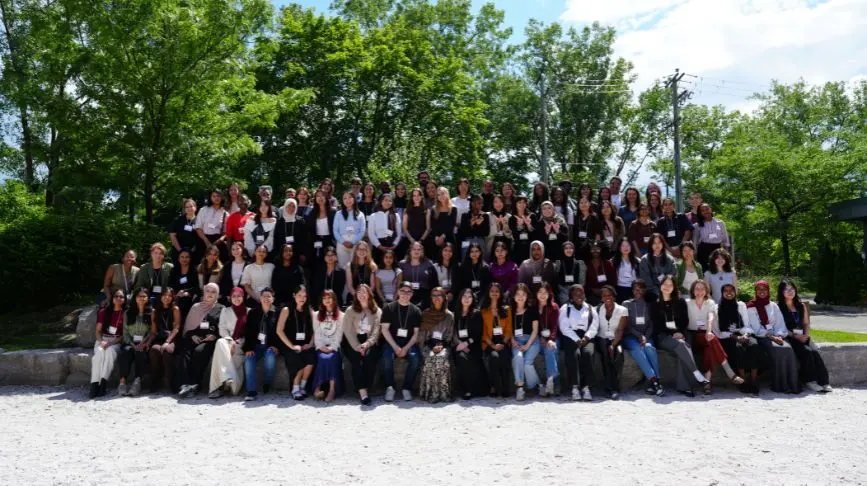
Participants at Mila’s Indigenous Gathering
In July, Mila co-hosted its 2nd Indigenous AI Gathering, with 830 participants online and in person.
New Mila members
Over the last fiscal year, more than 500 new researchers and collaborators joined the Mila community.
International students
Mila’s role as a global hub for AI research is reflected in the diversity of its student body, with 63% coming from outside Canada.
Highlights







Finances
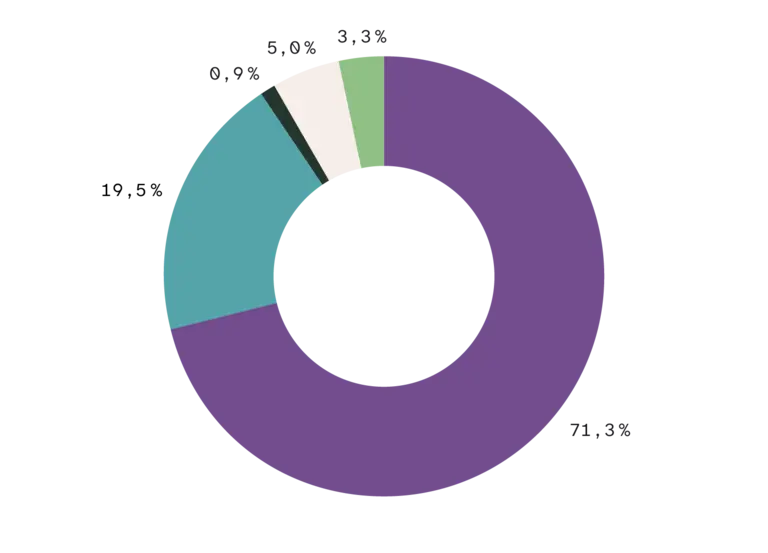
- Government grants
- Industry contracts
- Leasing
- Other
- Amortization of deferred contributions related to tangible capital assets
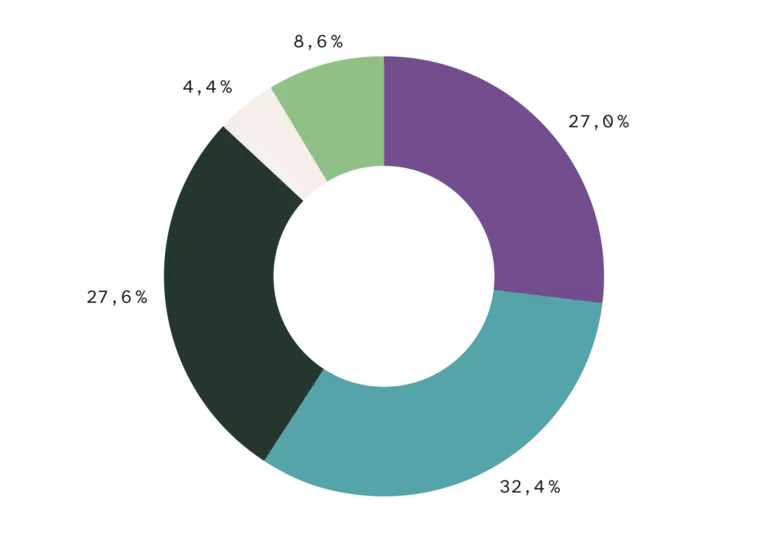
- Research
- Research support, innovation and computer power
- Projects, industry relationships and training
- Amortization of tangible capital assets
- General administration