


Mila is proud to announce the third cohort of the Indigenous Pathfinders in AI program, welcoming the newest class of Indigenous participants to Montréal beginning May 28, 2026.
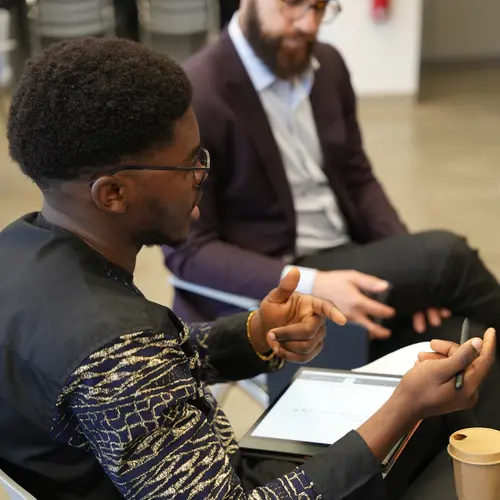
The program brings together this group to explore, question, and help shape the future of artificial intelligence. Over seven weeks, participants take part in hands-on workshops, engage with mentors and AI experts, and collaborate on projects designed to benefit their communities, all within a learning environment that centres Indigenous voices, knowledge systems, and ways of seeing the world.
This year’s diverse cohort spans engineers, artists, healthcare workers, journalists, entrepreneurs, and community leaders from across Canada, all united by a commitment to advancing AI in ways that serve Indigenous communities.
Meet the members of the 2026 cohort
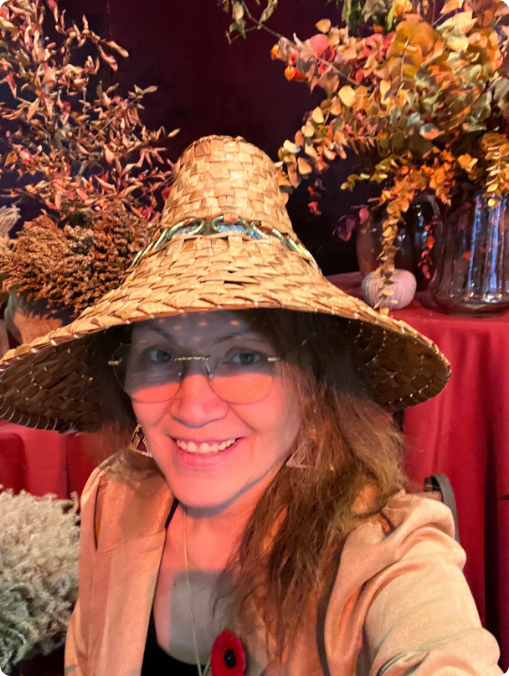
Deborah Anne Baker
Deborah Baker (ancestral name K’ana) holds a BA/MBA and is a descendant of the Namgis and Shishalth peoples of the Squamish Nation. Drawing on a healing journey spanning over 30 years and her lived experience as an Indian Residential School Survivor, she brings two decades of service as a former Squamish Nation Council Member (2005–2025) and currently serves as Director of Community Programs, VCF, and a Board Member of ANOS. She is dedicated to being a lifelong learner.
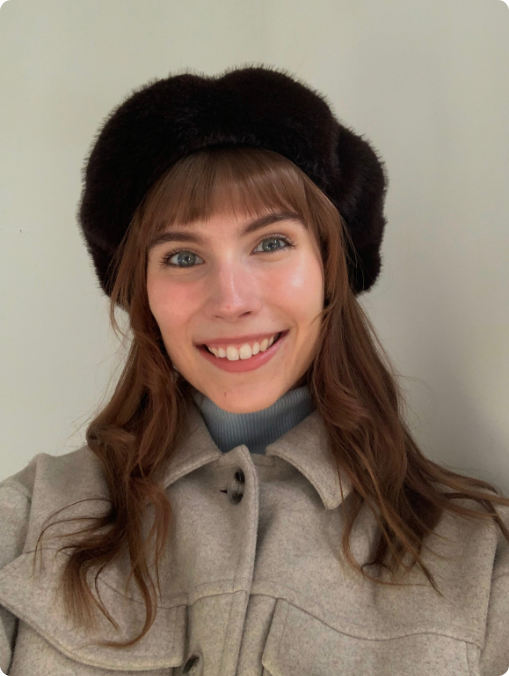
Cierra Bettens
Cierra Bettens is a mixed settler/Red River Métis journalist and first-year student in Concordia University’s MA in Media Studies program. She hosts the weekly APTN News InFocus podcast, and previously worked as a Winnipeg reporter-correspondent for APTN National News. A citizen of the Manitoba Métis Federation and a member of the MMF Bison Local, Cierra's research examines storytelling as a method to place AI within a relational paradigm, grounded in Indigenous data sovereignty, journalistic ethics, and critical political economy scholarship.
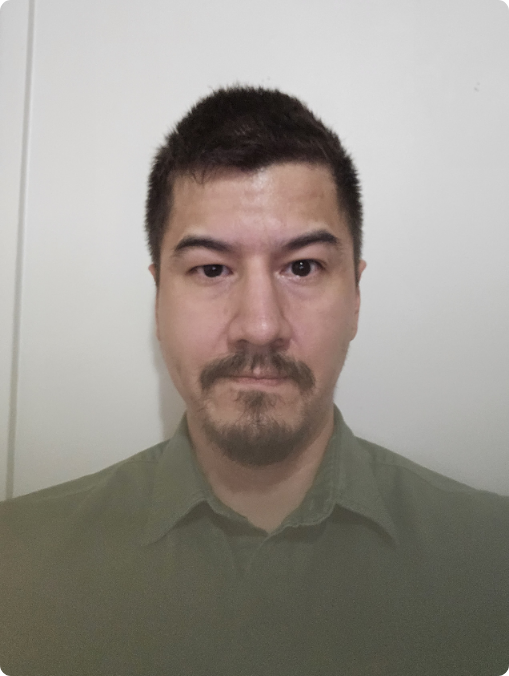
Troy Bird
Troy Bird is a proud member of Montreal Lake Cree Nation and holds a Bachelor of Administration with a major in Management from First Nations University of Canada. As an aspiring business leader, Troy is participating in the Indigenous Pathfinders in AI program to build his understanding of machine learning, strengthen his project management skills, and explore how AI can connect business, technology, and community development.
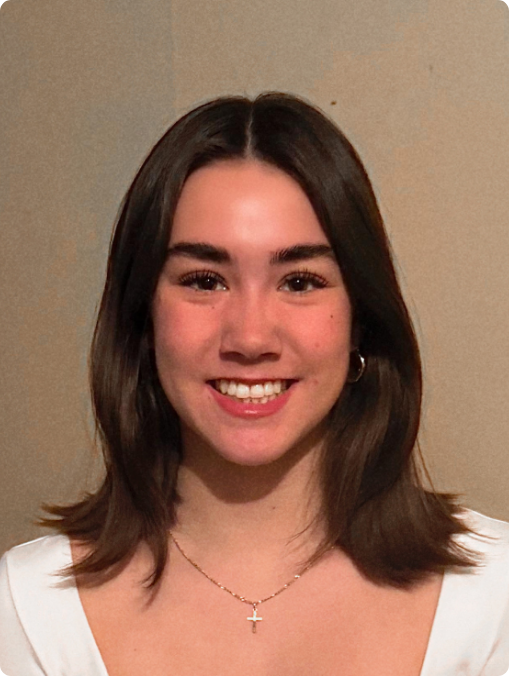
Mishra Cameron
Mishra Cameron is a member of the Okanagan Syilx Nation and a student at the University of Victoria, currently pursuing a Bachelor of Science degree. Much of what she knows about leadership she has learned through community—coaching kids, running camps, and learning alongside people.
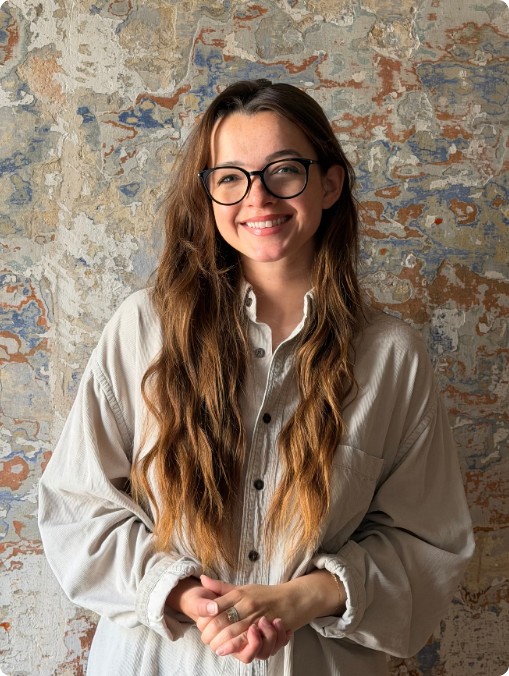
Kai Currie
Kai Currie is a Syilx (Okanagan) machine learning engineer and nsyilxcn language learner. Her technical experience spans speech and language modelling and responsible AI, with a prior focus on scaling multilingual safety evaluation in industry. She is joining the Pathfinders program to bring these threads together, applying machine learning in service of language and community goals.
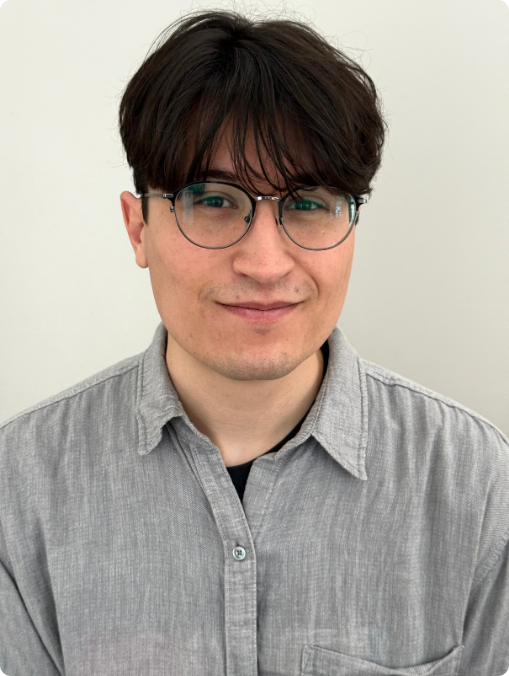
Joseph Foote
Joseph Foote is a recent graduate from MacEwan University. What drove him to computer programming was a love for problem solving. From this program he hopes to learn more about machine learning so that he can one day create software that improves people’s quality of life. In his free time he enjoys bouldering and cooking.
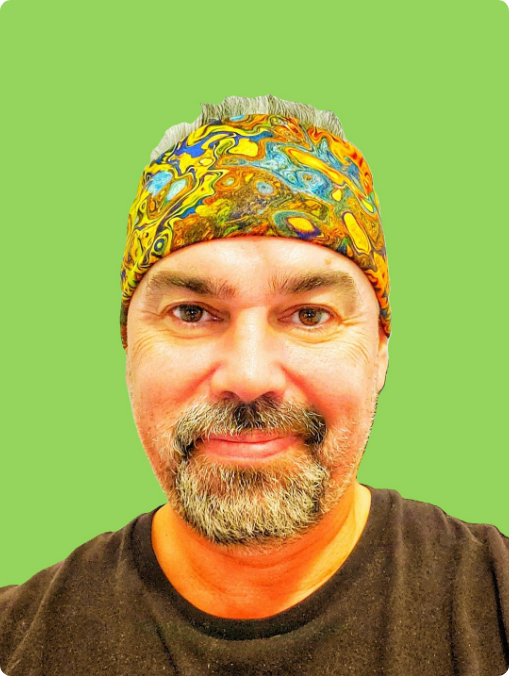
Darrell Fraser
Darrell Fraser is a Métis entrepreneur who spent the majority of his life in the Northwest Territories and now calls British Columbia home. With a deep interest in the intersection of AI, language revitalization, and data sovereignty, he believes that Indigenous communities must have agency over how their languages and knowledge are represented in AI systems, and that these technologies must be shaped by Indigenous voices.
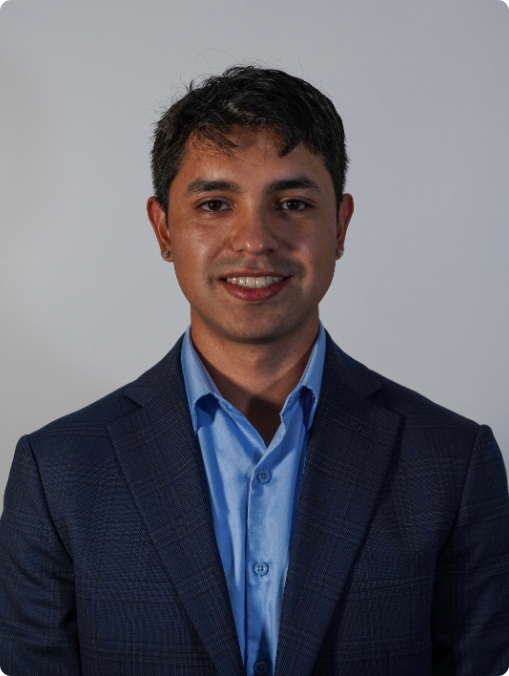
Anthony Huete-Jacobs
Anthony Huete-Jacobs is a member of Aamjiwnaang First Nation in Sarnia, Ontario. He is entering his third year of Computer Programming and Analysis in Toronto, and is the founder of MiigTech Solutions Inc., a company developing node-based digital infrastructure for secure governance, trusted verification, and Indigenous data sovereignty. Anthony has experience working in the federal government on initiatives related to clean energy in Indigenous, rural and remote communities, and is focused on how AI and secure digital systems can practically serve Indigenous communities and governments.

Corrine Hunt
Corrine Hunt is Kwakwaka'wakw from the Kwakiutl and ’Namgis Nations. She has more than 13 years of experience working within the BC Public Service. Throughout her career, Corrine has held several roles supporting Indigenous communities, including working with Indigenous victims of crime within the federal, provincial, and First Nations court systems across British Columbia, as well as supporting families of Missing and Murdered Indigenous Women and Girls (MMIWG) throughout the province. Corrine currently works as a Project Manager with the Ministry of Post-Secondary Education and Future Skills. She is passionate about bringing her voice, lived experience, and commitment to advancing Indigenous initiatives and meaningful change.
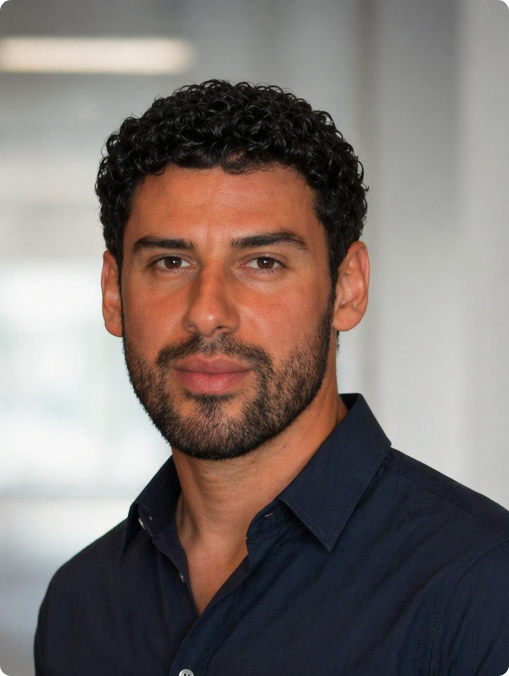
Leslie Labrecque
Leslie is a first-year Software Engineering student at École de technologie supérieure in Montreal and a proud Mi’kmaw student from Gesgapegiag, Quebec. As a returning student, he became interested in artificial intelligence after witnessing how much it changed his ability to learn and manage daily life. What interests him most is using AI to create practical solutions that make a real difference in people’s lives, including in accessibility, healthcare, and personal wellbeing.
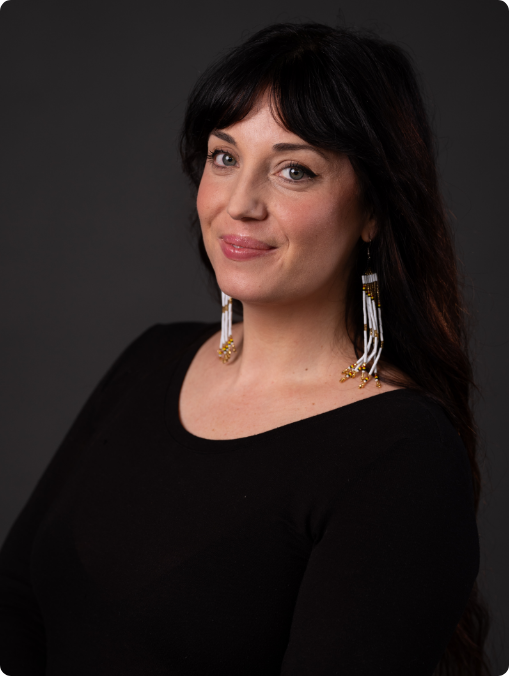
Ali Lang
Ali Lang (Métis) is a strategist and accessibility analyst based in Tiohtià:ke (Montreal). Her work is defined by a career-long commitment to intersectional advocacy, moving from years of front-line harm reduction into the design of inclusive digital ecosystems. Currently, Ali serves as a Senior Accessibility Analyst for a national broadcaster, ensuring that digital products meet and advance international standards of inclusion. She also develops digital frameworks that operationalize Indigenous strategy and data sovereignty within the digital product lifecycle, and is the creator of Native Roots, an Indigenous language revitalization project.
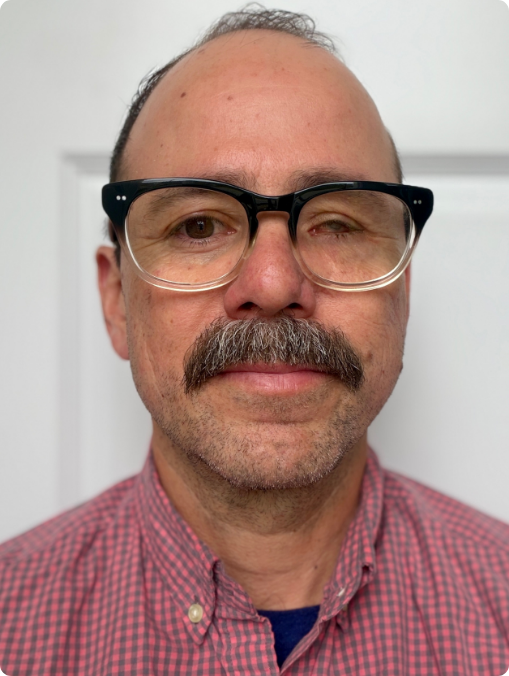
Ryan Mitchell-Morrison
Ryan Mitchell-Morrison is a Mi'gmaq technologist from Listuguj First Nation, based in Vancouver, BC. His work focuses on AI governance frameworks grounded in Indigenous data sovereignty and OCAP principles, with an emphasis on auditability and community control. He is a former Communications Manager for the Listuguj Mi'gmaq Government and Chief Editor of Redwire Magazine.
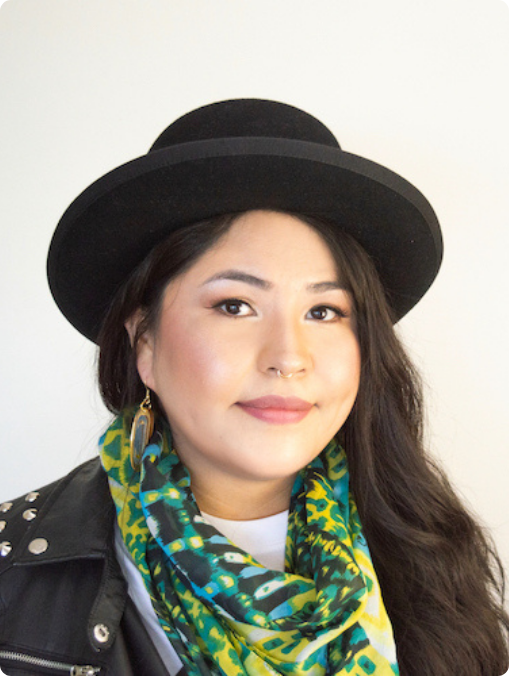
Lydia Prince
Lydia Prince (Dakelh // Cree) is an artist, designer and entrepreneur dedicated to cultural resurgence and language revitalization. Her practice examines and challenges barriers shaped by colonial structures, using design as a tool for decolonization and change. Lydia is currently pursuing a doctoral degree at the School of Interactive Arts and Technology at Simon Fraser University, where her research investigates digital tools, including AI, that support Indigenous self-determination and knowledge transmission.

Ruth Anna Ritchotte
Ruth Anna Ritchotte is a full-stack software developer currently attending the British Columbia Institute of Technology. Based in White Rock, BC, she is passionate about technology that solves real-world problems in communities and believes AI is the most exciting frontier to do just that. When she’s not coding, she fosters puppies waiting for their forever homes or hikes the backyard of BC.
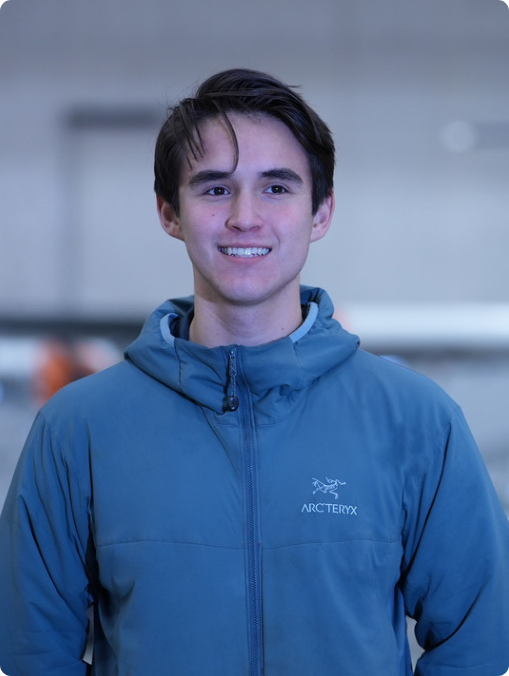
Cole Robulack
Cole Robulack is an Electrical Engineering student at the University of British Columbia Okanagan and a citizen of the Vuntut Gwitchin First Nation. He is the Founder and CEO of Fireweed AI, an Indigenous-led company building sovereign AI infrastructure for First Nations, governments, and institutions across Canada. Outside of school and work, Cole is an endurance athlete training for an Ironman triathlon with a strong interest in finance and entrepreneurship.
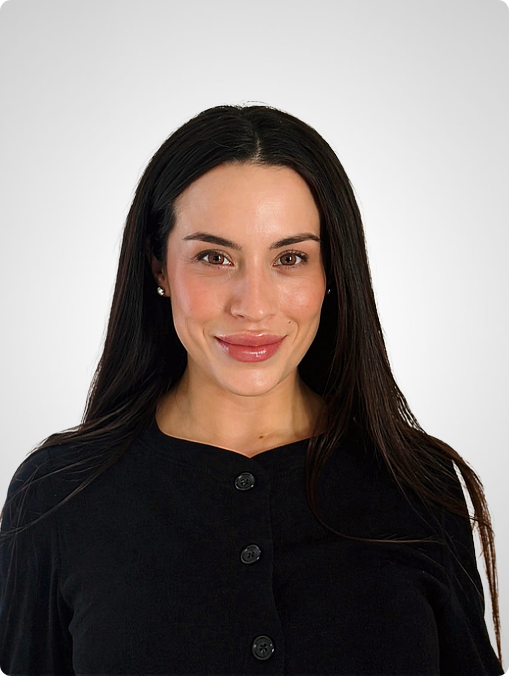
Jasmine Spence
Jasmine Spence is the Founding Executive Director and Chief Research Officer of AI Anima, an Indigenous-led initiative building a modern language and knowledge model that learns, processes, and communicates primarily in Cree, in support of language revitalization, education, and the continuity of Cree worldview into the age of artificial intelligence. A Tataskweyak Cree Nation band member and Pimicikamak Cree Nation citizen, Jasmine brings nearly 15 years of experience across the financial, AI, and music industries, and founded Oski Tahkoskewin in 2017, an Indigenous-led nonprofit that evolved from land-based education camps to a Cree language app and ultimately gave rise to AI Anima.
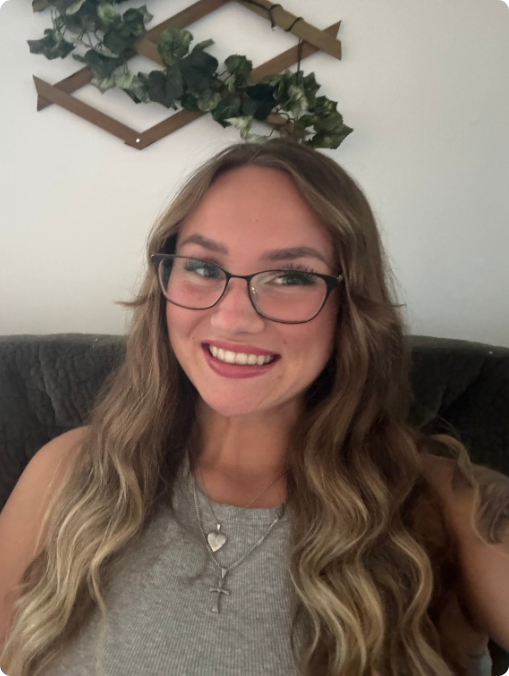
Morgan Walsh
Morgan Walsh is a member of Millbrook First Nation and a recent graduate of Dalhousie University. She is now working as a Registered Nurse in the Emergency Department. While she is passionate about emergency care, she hopes to eventually transition into holistic medicine, combining clinical expertise with a whole-person approach to healing.
This year’s cohort will also include Kanatahe'le Brown, Devon Williams-Gionet, Chase Stark, Jacob Umble and Julie McIntosh.